The Artisan’s Canvas: Transforming Wood Floors Through Refinishing Mastery
In the realm where creativity meets craftsmanship, wood refinishing emerges as an essential skill that bridges functional durability with artistic expression. For artists and creative professionals who value both aesthetics and practicality in their workspaces, understanding the nuances of wood refinishing can elevate not only their environment but also their creative output.
This guide delves deep into the world of wood refinishing, offering insights tailored specifically for those who seek harmony between beauty and utility in their living spaces. Whether you’re looking to restore vintage furniture or enhance your studio floor, mastering these techniques will open new avenues for personalization and innovation.
Understanding the Fundamentals of Wood Refinishing
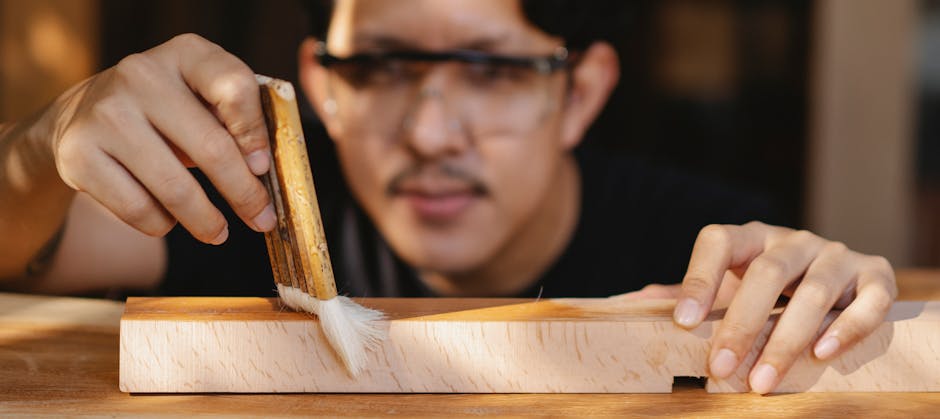
Wood refinishing is not merely about applying paint; it encompasses various processes designed to rejuvenate wooden surfaces while preserving their natural character. This includes sanding down old finishes, repairing imperfections, staining, sealing, and applying protective coatings such as polyurethane or wax.
At its core, the process involves stripping away existing layers to reveal fresh grain patterns beneath. It allows artisans to customize colors, textures, and sheens according to individual preferences without compromising structural integrity or historical authenticity when dealing with antique pieces.
- Sanding: Removes worn-out finish and prepares surface for new treatments by creating smoothness necessary before staining.
- Staining: Infuses color depth through chemical reactions within the wood fibers enhancing visual appeal significantly.
Evaluating Your Surface Before Starting Any Work
A crucial first step in any successful refinishing project lies in thoroughly assessing your chosen piece. Different types of woods react uniquely under various conditions which means identifying species-specific properties becomes vital prior commencement.
Factors like age, previous maintenance history, presence of mold/mildew, moisture levels inside building structures, and even ambient temperature fluctuations during treatment phases must be considered carefully since they influence final results dramatically.
Determining the Right Method Based on Condition Assessment
If dealing with severely damaged flooring where most original material has been lost due to rotting or extreme wear then complete replacement might prove more economical than trying salvageable remnants through partial restoration methods.
Conversely, minor scratches and dents often respond well to localized repairs using fillers followed up by light sanding sessions until desired flatness restored across affected areas seamlessly blending back into surrounding regions naturally.
Selecting Appropriate Tools & Materials for Optimal Results
Craftsmanship demands quality tools matched precisely against intended tasks at hand. Choosing right equipment ensures efficiency reduces chances errors occurring mid-project thereby saving time money effort involved overall.
From orbital sander machines suitable heavy-duty jobs requiring speed accuracy to handheld routers ideal intricate detailing work each tool serves distinct purpose contributing towards achieving professional-level outcomes consistently.
- Orbital Sanders: Ideal for large expanses providing uniform pressure distribution minimizing risk uneven removals common manual approaches.
- Routers: Perfect shaping edges profiles adding decorative elements without damaging adjacent parts unnecessarily.
Step-by-Step Process Overview Including Safety Precautions
Begins preparation phase ensuring workspace adequately ventilated free debris dust particles suspended air posing health hazards especially prolonged exposure scenarios involving toxic substances released chemical reactions occurring throughout procedure.
All individuals undertaking projects must don appropriate gear including respirators goggles gloves protecting skin eyes respiratory system respectively from harmful fumes generated during stripping stages particularly solvent-based products utilized commonly industry today.
Initial Preparation Steps Prior Commencement
Moving objects clear area designated task placing them secure locations prevents accidental damage mishaps happening midst operation itself potentially leading costly repairs later on besides disrupting workflow entirely.
Covering nearby surfaces walls floors with drop cloths plastic sheetings shields against splatters spills accidents inevitable nature physical labor engaged here maintaining cleanliness critical aspect success entire venture.
Mastering Techniques Involved in Sanding Procedures
Sanding forms foundation upon which subsequent steps rest successfully therefore requires meticulous attention details executed properly otherwise flaws persist despite efforts invested afterward resulting unsatisfactory end product.
Begin coarse grit abrasive sheets gradually progressing finer grades until achieve perfectly levelled surface ready accept stain application next stage ensuring optimal adhesion absorption rates throughout length duration project timeline.
- Coarse Grit Sandpaper (80-120): Effective removing thick built-up finishes eliminating gouges deeper scars left behind neglect improper care previously applied coatings.
- Fine Grit Sandpaper (150-220): Smooths out remaining rough patches preparing base layer sufficient consistency required uniform penetration stain subsequently.
Choosing Stains That Complement Creative Spaces
Color selection plays pivotal role determining ambiance created within given space thus warrants thoughtful consideration aligning aesthetic goals spatial requirements effectively achieved via careful choice pigments hues selected accordingly.
Whether opting transparent oil-based variants allowing visibility underlying wood tones versus opaque waterborne solutions masking natural features completely depends largely personal preference style direction pursued artistically speaking now.
- Oil-Based Stains: Penetrate deeply enriching richness warmth characteristics inherent particular type lumber used making perfect match traditional craftsman approaches favored many contemporary designers seeking organic feel modern environments alike.
- Water-Based Stains: Offer versatility ease cleaning up messes post-application additionally drying times considerably shorter compared alternatives enabling quicker progression following stages without delay interrupting momentum established early phases.
Applying Sealants Correctly To Ensure Longevity Protection
Sealing protects newly refinished wood from future damages caused humidity changes foot traffic abrasion so selecting correct formulation matching needs present situation paramount importance cannot overstated enough regarding long-term satisfaction derived investment made herein.
Polyurethanes provide excellent durability resistance scratches scuffs whereas waxes offer softer touch preferred certain applications demanding gentle interaction frequent contact surfaces typically encountered daily routines associated creative professions notably studios galleries workshops etcetera.
- Polyurethane Coatings: Available both waterborne oil-based versions former being environmentally friendly option latter delivering superior hardness protection longer periods exposed harsher conditions outdoor settings included occasionally.
- Wax Finishes: Require regular reapplication maintain luster shine though possess lesser resilience compared synthetic polymers still valued many purists appreciating tactile qualities imparted by natural materials interacting human bodies directly.
Troubleshooting Common Issues During Refinishing Projects
Despite best intentions things inevitably go awry sometimes meaning possessing knowledge how address problems arising midst process proves invaluable asset helping salvage situations otherwise deemed hopeless losses incurred financially emotionally.
Common challenges include blotching inconsistencies appearing stained surfaces usually result uneven absorption rates across different sections board causing mismatched appearance detracting beauty initially aimed achieving through diligent effort put forth earlier phases.
- Blotching Solutions: Applying pre-stain conditioner equalizes absorbency promoting uniformity ensuring consistent shade coverage throughout treated area avoiding patchy effects ruinously altering visual balance ultimately.
- Dust Nibs Removal: Light brushing vacuuming after initial coats removes loose particulates preventing them becoming embedded underneath subsequent layers negatively affecting clarity transparency desired outcome.
Embracing Sustainability In Modern Refinishing Practices
With increasing awareness environmental impact industries worldwide shifting focus sustainable methodologies respecting planet simultaneously fulfilling consumer demand eco-conscious options available market today more extensively than ever before.
Opting locally sourced reclaimed timbers instead purchasing virgin supplies minimizes carbon footprint transportation emissions supports community enterprises dedicated responsible harvesting regrowth initiatives benefiting ecosystem overall through conscious choices consumers make regularly.
- Reclaimed Wood: Offers unique character stories attached every plank reflecting past lives journey transforming them new purposes giving second chance existence reducing waste landfills simultaneously.
- Low-VOC Products: Reduce indoor air pollution improving occupant health longevity building structure itself because volatile compounds evaporate over time releasing toxins potentially hazardous especially sensitive groups children elderly people residing close proximity frequently occupied spaces indoors.
Enhancing Aesthetic Appeal With Custom Designs And Patterns
For creatives desiring distinctive expressions beyond standard offerings commercial markets designing bespoke patterns adds dimensionality uniqueness distinguishing ordinary pieces extraordinary masterpieces worthy admiration appreciation received among peers colleagues clients alike.
Techniques range simple line drawings laser etched images complex marquetry assembled puzzle-like configurations incorporating multiple wood species shades tones producing vibrant tapestries rich texture visual interest captivating observers instantly.
- Laser Etching: Allows precise engraving intricate designs without altering structural integrity enabling subtle accents bold statements depending scale complexity employed respective projects undertaken currently.
- Marquetry: Combines small veneered segments arranged geometric floral motifs creating stunning mosaics reminiscent fine art paintings displayed museum collections admired globally celebrated annually prestigious design awards ceremonies held internationally.
Preserving Historical Integrity While Updating Visual Elements
Historic buildings museums institutions entrusted safeguarding cultural heritage face challenge balancing preservation updating necessities meeting contemporary standards safety regulations accessibility concerns simultaneously.
Professional conservators utilize non-invasive methods digital documentation scanning technologies accurately record current state structures prior implementing alterations ensuring authentic representations maintained future generations benefit learning experiences rooted genuine artifacts preserved meticulously through rigorous protocols adhered strictly throughout conservation programs established nationally internationally recognized authorities overseeing heritage management sectors globally.
- Digital Documentation: Creates virtual replicas facilitating analysis modifications virtually before committing actual interventions decreasing risks irreversible harm could occur misjudged decisions implemented hastily without thorough research background information readily accessible online archives databases maintained governmental agencies private organizations devoted archival studies throughout decades spent collecting cataloguing significant landmarks sites worldwide.
- Non-Invasive Treatments: Employ ultrasonic cleaning micro-abrasive blasting techniques remove dirt grime buildup without physically contacting delicate components susceptible degradation direct contact exposure chemicals solvents traditionally relied upon older restoration practices now discouraged favor safer alternatives proven effective equally efficient resolving issues confronted historically relevant objects needing tender loving care afforded precious treasures humanity shares collectively.
Conclusion
Wood refinishing stands as a testament to the enduring relationship between human ingenuity and natural resources, offering endless possibilities for transformation and renewal. By embracing both technical precision and artistic vision, creators can breathe new life into aged timber, crafting environments that inspire and endure.
As you embark on your own refinishing journeys, remember that each stroke of the brush or pass of the sander carries the potential to redefine spaces—inviting creativity, honoring legacy, and celebrating the timeless allure of wood in its myriad forms.
“`
“`html
The Artisan’s Canvas: Transforming Wood Floors Through Refinishing Mastery
In the realm where creativity meets craftsmanship, wood refinishing emerges as an essential skill that bridges functional durability with artistic expression. For artists and creative professionals who value both aesthetics and practicality in their workspaces, understanding the nuances of wood refinishing can elevate not only their environment but also their creative output.
This guide delves deep into the world of wood refinishing, offering insights tailored specifically for those who seek harmony between beauty and utility in their living spaces. Whether you’re looking to restore vintage furniture or enhance your studio floor, mastering these techniques will open new avenues for personalization and innovation.
Understanding the Fundamentals of Wood Refinishing
Wood refinishing is not merely about applying paint; it encompasses various processes designed to rejuvenate wooden surfaces while preserving their natural character. This includes sanding down old finishes, repairing imperfections, staining, sealing, and applying protective coatings such as polyurethane or wax.
At its core, the process involves stripping away existing layers to reveal fresh grain patterns beneath. It allows artisans to customize colors, textures, and sheens according to individual preferences without compromising structural integrity or historical authenticity when dealing with antique pieces.
- Sanding: Removes worn-out finish and prepares surface for new treatments by creating smoothness necessary before staining.
- Staining: Infuses color depth through chemical reactions within the wood fibers enhancing visual appeal significantly.
Evaluating Your Surface Before Starting Any Work
A crucial first step in any successful refinishing project lies in thoroughly assessing your chosen piece. Different types of woods react uniquely under various conditions which means identifying species-specific properties becomes vital prior commencement.
Factors like age, previous maintenance history, presence of mold/mildew, moisture levels inside building structures, and even ambient temperature fluctuations during treatment phases must be considered carefully since they influence final results dramatically.
Determining the Right Method Based on Condition Assessment
If dealing with severely damaged flooring where most original material has been lost due to rotting or extreme wear then complete replacement might prove more economical than trying salvageable remnants through partial restoration methods.
Conversely, minor scratches and dents often respond well to localized repairs using fillers followed up by light sanding sessions until desired flatness restored across affected areas seamlessly blending back into surrounding regions naturally.
Selecting Appropriate Tools & Materials for Optimal Results
Craftsmanship demands quality tools matched precisely against intended tasks at hand. Choosing right equipment ensures efficiency reduces chances errors occurring mid-project thereby saving time money effort involved overall.
From orbital sander machines suitable heavy-duty jobs requiring speed accuracy to handheld routers ideal intricate detailing work each tool serves distinct purpose contributing towards achieving professional-level outcomes consistently.
- Orbital Sanders: Ideal for large expanses providing uniform pressure distribution minimizing risk uneven removals common manual approaches.
- Routers: Perfect shaping edges profiles adding decorative elements without damaging adjacent parts unnecessarily.
Step-by-Step Process Overview Including Safety Precautions
Begins preparation phase ensuring workspace adequately ventilated free debris dust particles suspended air posing health hazards especially prolonged exposure scenarios involving toxic substances released chemical reactions occurring throughout procedure.
All individuals undertaking projects must don appropriate gear including respirators goggles gloves protecting skin eyes respiratory system respectively from harmful fumes generated during stripping stages particularly solvent-based products utilized commonly industry today.
Initial Preparation Steps Prior Commencement
Moving objects clear area designated task placing them secure locations prevents accidental damage mishaps happening midst operation itself potentially leading costly repairs later on besides disrupting workflow entirely.
Covering nearby surfaces walls floors with drop cloths plastic sheetings shields against splatters spills accidents inevitable nature physical labor engaged here maintaining cleanliness critical aspect success entire venture.
Mastering Techniques Involved in Sanding Procedures
Sanding forms foundation upon which subsequent steps rest successfully therefore requires meticulous attention details executed properly otherwise flaws persist despite efforts invested afterward resulting unsatisfactory end product.
Begin coarse grit abrasive sheets gradually progressing finer grades until achieve perfectly levelled surface ready accept stain application next stage ensuring optimal adhesion absorption rates throughout length duration project timeline.
- Coarse Grit Sandpaper (80-120): Effective removing thick built-up finishes eliminating gouges deeper scars left behind neglect improper care previously applied coatings.
- Fine Grit Sandpaper (150-220): Smooths out remaining rough patches preparing base layer sufficient consistency required uniform penetration stain subsequently.
Choosing Stains That Complement Creative Spaces
Color selection plays pivotal role determining ambiance created within given space thus warrants thoughtful consideration aligning aesthetic goals spatial requirements effectively achieved via careful choice pigments hues selected accordingly.
Whether opting transparent oil-based variants allowing visibility underlying wood tones versus opaque waterborne solutions masking natural features completely depends largely personal preference style direction pursued artistically speaking now.
- Oil-Based Stains: Penetrate deeply enriching richness warmth characteristics inherent particular type lumber used making perfect match traditional craftsman approaches favored many contemporary designers seeking organic feel modern environments alike.
- Water-Based Stains: Offer versatility ease cleaning up messes post-application additionally drying times considerably shorter compared alternatives enabling quicker progression following stages without delay interrupting momentum established early phases.
Applying Sealants Correctly To Ensure Longevity Protection
Sealing protects newly refinished wood from future damages caused humidity changes foot traffic abrasion so selecting correct formulation matching needs present situation paramount importance cannot overstated enough regarding long-term satisfaction derived investment made herein.
Polyurethanes provide excellent durability resistance scratches scuffs whereas waxes offer softer touch preferred certain applications demanding gentle interaction frequent contact surfaces typically encountered daily routines associated creative professions notably studios galleries workshops etcetera.
- Polyurethane Coatings: Available both waterborne oil-based versions former being environmentally friendly option latter delivering superior hardness protection longer periods exposed harsher conditions outdoor settings included occasionally.
- Wax Finishes: Require regular reapplication maintain luster shine though possess lesser resilience compared synthetic polymers still valued many purists appreciating tactile qualities imparted by natural materials interacting human bodies directly.
Troubleshooting Common Issues During Refinishing Projects
Despite best intentions things inevitably go awry sometimes meaning possessing knowledge how address problems arising midst process proves invaluable asset helping salvage situations otherwise deemed hopeless losses incurred financially emotionally.
Common challenges include blotching inconsistencies appearing stained surfaces usually result uneven absorption rates across different sections board causing mismatched appearance detracting beauty initially aimed achieving through diligent effort put forth earlier phases.
- Blotching Solutions: Applying pre-stain conditioner equalizes absorbency promoting uniformity ensuring consistent shade coverage throughout treated area avoiding patchy effects ruinously altering visual balance ultimately.
- Dust Nibs Removal: Light brushing vacuuming after initial coats removes loose particulates preventing them becoming embedded underneath subsequent layers negatively affecting clarity transparency desired outcome.
Embracing Sustainability In Modern Refinishing Practices
With increasing awareness environmental impact industries worldwide shifting focus sustainable methodologies respecting planet simultaneously fulfilling consumer demand eco-conscious options available market today more extensively than ever before.
Opting locally sourced reclaimed timbers instead purchasing virgin supplies minimizes carbon footprint transportation emissions supports community enterprises dedicated responsible harvesting regrowth initiatives benefiting ecosystem overall through conscious choices consumers make regularly.
- Reclaimed Wood: Offers unique character stories attached every plank reflecting past lives journey transforming them new purposes giving second chance existence reducing waste landfills simultaneously.
- Low-VOC Products: Reduce indoor air pollution improving occupant health longevity building structure itself because volatile compounds evaporate over time releasing toxins potentially hazardous especially sensitive groups children elderly people residing close proximity frequently occupied spaces indoors.
Enhancing Aesthetic Appeal With Custom Designs And Patterns
For creatives desiring distinctive expressions beyond standard offerings commercial markets designing bespoke patterns adds dimensionality uniqueness distinguishing ordinary pieces extraordinary masterpieces worthy admiration appreciation received among peers colleagues clients alike.
Techniques range simple line drawings laser etched images complex marquetry assembled puzzle-like configurations incorporating multiple wood species shades tones producing vibrant tapestries rich texture visual interest captivating observers instantly.
- Laser Etching: Allows precise engraving intricate designs without altering structural integrity enabling subtle accents bold statements depending scale complexity employed respective projects undertaken currently.
- Marquetry: Combines small veneered segments arranged geometric floral motifs creating stunning mosaics reminiscent fine art paintings displayed museum collections admired globally celebrated annually prestigious design awards ceremonies held internationally.
Preserving Historical Integrity While Updating Visual Elements
Historic buildings museums institutions entrusted safeguarding cultural heritage face challenge balancing preservation updating necessities meeting contemporary standards safety regulations accessibility concerns simultaneously.
Professional conservators utilize non-invasive methods digital documentation scanning technologies accurately record current state structures prior implementing alterations ensuring authentic representations maintained future generations benefit learning experiences rooted genuine artifacts preserved meticulously through rigorous protocols adhered strictly throughout conservation programs established nationally internationally recognized authorities overseeing heritage management sectors globally.
- Digital Documentation: Creates virtual replicas facilitating analysis modifications virtually before committing actual interventions decreasing risks irreversible harm could occur misjudged decisions implemented hastily without thorough research background information readily accessible online archives databases maintained governmental agencies private organizations devoted archival studies throughout decades spent collecting cataloguing significant landmarks sites worldwide.
- Non-Invasive Treatments: Employ ultrasonic cleaning micro-abrasive blasting techniques remove dirt grime buildup without physically contacting delicate components susceptible degradation direct contact exposure chemicals solvents traditionally relied upon older restoration practices now discouraged favor safer alternatives proven effective equally efficient resolving issues confronted historically relevant objects needing tender loving care afforded precious treasures humanity shares collectively.
Conclusion
Wood refinishing stands as a testament to the enduring relationship between human ingenuity and natural resources, offering endless possibilities for transformation and renewal. By embracing both technical precision and artistic vision, creators can breathe new life into aged timber, crafting environments that inspire and endure.
As you embark on your own refinishing journeys, remember that each stroke of the brush or pass of the sander carries the potential to redefine spaces—inviting creativity, honoring legacy, and celebrating the timeless allure of wood in its myriad forms.
“`
