The Timeless Allure of Wood Flooring in Creative Spaces
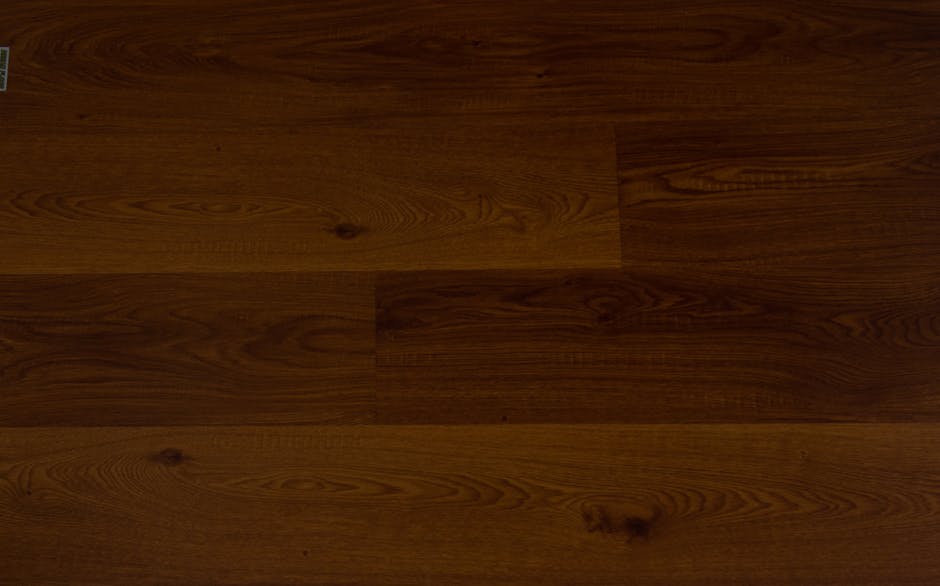
In an era where design trends shift rapidly, wood flooring stands as a testament to enduring elegance. For artists and creative professionals, its warmth and natural character provide an ideal foundation for inspiration.
This guide explores how wood flooring enhances creativity through its aesthetic appeal, acoustic properties, and adaptability across different artistic disciplines.
Elevating Aesthetics Through Natural Beauty
Natural wood flooring introduces organic textures and patterns that resonate deeply with creatives seeking authenticity. The grain variations tell stories of each tree’s growth, offering visual interest that synthetic materials cannot replicate.
From rich mahogany tones to light oak shades, wood offers countless color options that can be tailored to match studio palettes. This versatility allows artists to create environments that reflect their personal style while maintaining professional standards.
Maintaining Visual Appeal: Regular cleaning routines help preserve the beauty of wood floors without compromising their integrity. Using microfiber cloths instead of abrasive scrubbing pads ensures longevity.
A well-maintained wooden floor develops a patina over time, adding character rather than diminishing value. This aging process is often embraced by artists who appreciate evolving spaces.
- Tone Selection: Darker woods absorb light better but may show dirt more easily. Lighter tones offer brighter ambiance but require regular maintenance.
- Pattern Options: Plank widths vary from narrow strips to wide boards, influencing spatial perception within studios.
Creative professionals working in multimedia installations might prefer contrasting finishes between rooms to delineate functional zones effectively.
Acoustic Advantages for Productive Workspaces
Beyond aesthetics, wood flooring significantly impacts sound quality in creative environments. Its ability to dampen echo makes it particularly beneficial for music producers and audio engineers.
Different wood species have varying densities which affect acoustics differently. Hardwoods generally produce clearer sounds compared to softer varieties when used in recording studios.
Sound Absorption Techniques: Combining wood flooring with area rugs or carpets creates optimal acoustic balance. This hybrid approach works well for multidisciplinary art spaces requiring both open areas and private workstations.
For those working remotely, the right combination of flooring materials can make a substantial difference in communication clarity during virtual collaborations.
Artists engaged in performance-based work benefit greatly from controlled reverberation levels created by strategic use of different wood types and underlayments.
Enhancing Mobility and Ergonomics
The smooth surface of properly maintained wood floors supports easier movement essential for artists constantly shifting between workstations. This feature proves especially useful for sculptors and dancers needing frequent repositioning.
Unlike carpeted surfaces that can cause tripping hazards, wood provides consistent traction even when wet. This safety aspect is crucial for studios housing various forms of creative practice.
Ergonomic Benefits: Warmth retention properties of certain hardwoods contribute positively to overall comfort during long working hours. This factor becomes significant for creators spending extended periods at their craft.
Variations in floor hardness impact joint strain; choosing appropriately conditioned wood reduces physical discomfort associated with prolonged standing or walking.
Creative professionals utilizing wheelchairs or mobility aids find wood flooring easier to navigate due to reduced resistance compared to other flooring types.
Sustainability Considerations for Conscious Creators
Eco-conscious artists increasingly favor wood flooring for its renewable nature and potential for sustainable sourcing. Responsible forestry practices ensure these resources remain available for future generations.
Choosing FSC-certified products guarantees support for ethical harvesting methods. This certification helps conscious consumers verify product origins and environmental impact.
Longevity Factor: High-quality wood floors last decades with proper care, reducing waste generated by shorter-lived alternatives. Their durability aligns perfectly with principles of sustainability.
Refinishing existing wood floors rather than replacing them embodies circular economy principles. This approach minimizes resource consumption while maintaining desired aesthetics.
Many modern wood flooring solutions incorporate recycled materials without sacrificing structural integrity or visual appeal. These innovations cater specifically to environmentally aware creatives.
Adapting to Various Artistic Disciplines
Wood flooring adapts seamlessly to diverse artistic needs, making it suitable for painters, musicians, writers, and digital artists alike. Its universal appeal stems from inherent flexibility and customizability.
Painters appreciate the non-porous surface that resists absorption of spilled mediums while still allowing easy cleanup. This characteristic proves invaluable in dynamic painting sessions.
Studio-Specific Solutions: Music educators might opt for specialized wood treatments that enhance resonance qualities in teaching spaces. Such modifications maintain auditory fidelity without altering core functionality.
Writers benefiting from quiet work environments find wood flooring contributes to noise reduction through natural damping properties. This acoustic advantage fosters concentration and productivity.
Digital artists using high-end equipment value the stability provided by solid wood foundations. Vibrational isolation features become critical when operating sensitive electronic devices.
Installation and Maintenance Essentials
Proper installation lays the groundwork for lasting performance from wood flooring systems. Professional grade adhesives and subfloor preparation are essential components of successful projects.
Moisture Management: Controlling humidity levels prevents warping and cracking issues common in improperly installed wood floors. Dehumidifiers prove particularly effective in coastal regions prone to moisture fluctuations.
Regular sweeping combined with periodic deep cleaning maintains optimal condition. Avoiding excessive water exposure safeguards against damage that could compromise structural integrity.
Using protective mats beneath heavy furniture preserves both floor finish and furnishings. This precautionary measure extends lifespan considerably for both elements involved.
Periodic refinishing restores luster and protects against everyday wear. The frequency depends largely on foot traffic volume experienced daily in the space.
Fashioning Unique Studio Environments
Creatives embrace wood flooring as a canvas for self-expression, transforming basic installations into distinctive environments reflecting individual styles. Custom staining techniques allow for personalized color schemes.
Design Integration: Incorporating built-in storage along baseboards maximizes vertical space utilization while complementing wood aesthetics naturally. This approach benefits artists dealing with limited square footage.
Layering decorative elements like hand-carved borders or inlaid geometric patterns adds dimensionality. These embellishments serve as conversation pieces as much as functional design choices.
Combining different wood types within single spaces creates visually stimulating contrasts. Artists experimenting with mixed media find such configurations particularly inspiring.
Integrating ambient lighting sources beneath flooring enhances dramatic effect. This technique works exceptionally well in darkened gallery settings or experimental studios.
Comparative Analysis with Other Floorings
While many flooring options exist, wood retains distinct advantages that set it apart from alternatives like tile or laminate. Understanding these differences informs better decision-making for creative professionals.
Heat Conductivity: Unlike cold stone tiles, wood retains body heat, contributing to warmer indoor climates. This property matters significantly for artists working long hours in cooler conditions.
Laminate floors lack the dimensional variation found in real wood. While cost-effective initially, they fail to develop the same kind of patina over time.
Carpeting offers insulation but lacks breathability, potentially trapping allergens problematic for sensitive individuals. Wood’s natural ventilation capabilities outperform most competitors in this regard.
Rubber or vinyl flooring, though resilient, never achieves the timeless appearance of authentic wood. Their synthetic feel often feels less inviting than natural surfaces.
When considering durability factors, nothing compares to the resilience shown by well-maintained wood floors. They withstand years of rigorous activity far exceeding expectations from lesser materials.
Future Trends in Wooden Surfaces
Innovations continue shaping the evolution of wood flooring technologies. Emerging trends suggest exciting possibilities for creative professionals seeking cutting-edge solutions.
Smart Flooring Integrations: Some manufacturers now embed sensors detecting pressure points or temperature changes. These smart features enable adaptive heating systems calibrated precisely to user preferences.
New coating technologies protect wood while enhancing stain resistance. Advanced sealants maintain original appearance longer despite constant usage.
Biodegradable finishing options emerge as eco-friendly alternatives gaining popularity among sustainability-focused creatives. These developments align with broader green initiatives within arts communities.
Customizable plank sizes and shapes expand design freedom previously constrained by traditional manufacturing limitations. This flexibility empowers artists to realize truly bespoke installations.
Advances in composite wood production yield lighter yet stronger materials, opening new avenues for architectural experimentation in creative spaces.
Conclusion
Wood flooring remains unmatched in its capacity to inspire and support artistic endeavors. Its unique combination of beauty, function, and sustainability continues attracting creative professionals worldwide.
By carefully selecting appropriate wood types, finishes, and installation methods, artists can transform their spaces into vibrant sanctuaries that fuel imagination and productivity for years to come.