The Artistry of Stair Installation: Merging Craftsmanship with Creative Design in Modern Spaces
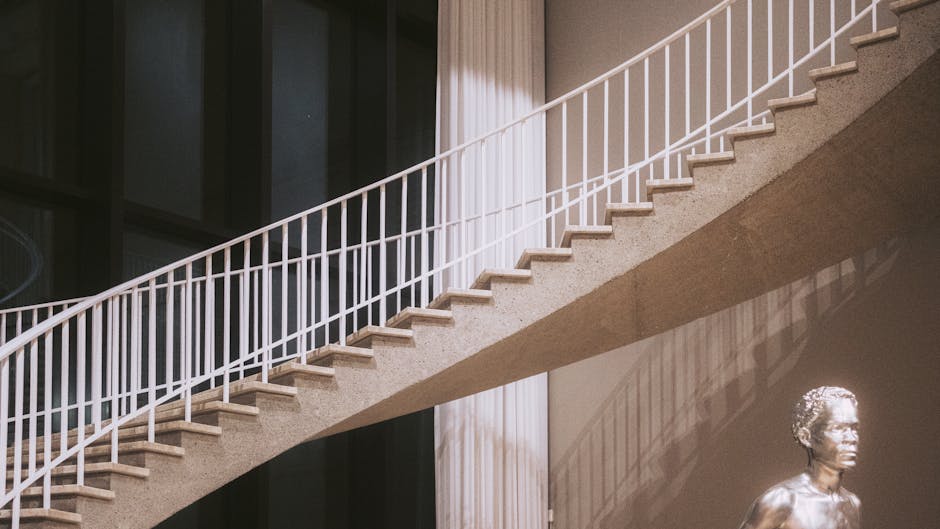
In an era where architecture is increasingly viewed as an extension of personal expression, stair installation has evolved from a mere structural necessity into an art form that reflects both functionality and aesthetic vision.
This transformation highlights how creative professionals can leverage staircase design as a powerful tool for storytelling within spatial environments.
Understanding the Architectural Significance of Stairs
Stairs serve dual purposes in any building structure; they are essential conduits for vertical movement while also contributing significantly to interior aesthetics.
For architects and designers, stairs represent opportunities to integrate innovative materials, sculptural forms, and dynamic lines that challenge conventional perceptions of space.
The right staircase can transform a simple passage between floors into a dramatic focal point that enhances overall ambiance.
Modern trends show a growing preference for open-concept designs where stairs act as central elements rather than hidden passageways.
Key considerations:
- Material selection: Wood, metal, glass, and composite materials each offer distinct visual effects and durability profiles suitable for different architectural contexts.
- Structural integrity: Ensuring load-bearing capacity without compromising artistic intent requires meticulous engineering calculations and material testing.
- Ergonomic design: Balancing comfort with creativity involves optimizing riser heights, tread depths, and handrail placements according to human-centric principles.
Designing Staircases for Creative Professionals’ Needs
Creative professionals often require spaces that inspire innovation, making staircase design particularly crucial in studios, galleries, and collaborative workspaces.
A well-designed staircase can become a symbolic element reflecting the ethos of a creative enterprise while facilitating practical movement through multi-level environments.
Customization options allow for integration of branding elements such as logos, color schemes, or thematic motifs directly into the staircase’s construction.
Artists working in three-dimensional mediums may find value in incorporating sculptural features into their stair installations.
Materials and Their Aesthetic Impact
Selecting appropriate materials plays a pivotal role in defining the character of a staircase within its environment.
Natural wood offers warmth and organic appeal but requires regular maintenance to preserve its appearance over time.
Metallic finishes provide sleek modernity and can be manipulated into intricate shapes that defy traditional geometric constraints.
Glass allows light penetration creating illusionary depth while maintaining transparency between levels.
Note: The choice of material must align with ambient lighting conditions and desired visual impact.
Engineering Challenges in Creative Stair Installations
While artistic freedom is enticing, every creative staircase project presents unique engineering challenges that demand careful consideration.
Load distribution becomes critical when designing non-traditional configurations like spiral or curved staircases which distribute weight differently compared to straight flights.
Vibration control is another concern especially relevant for high-traffic areas or buildings sensitive to acoustic disturbances.
Specialized software tools now enable precise modeling of complex structures ensuring both safety compliance and visual harmony.
Incorporating Technology Into Staircase Design
Contemporary staircase installations increasingly incorporate smart technologies enhancing usability and interactivity.
Sensors integrated into treads can activate LED lighting patterns responding dynamically to user presence or motion.
Touchscreen interfaces embedded along balustrades might offer wayfinding information or interactive displays showcasing artwork collections.
Digital projections onto surfaces create ever-changing visual narratives transforming static structures into living artworks.
Case Studies: Inspiring Examples Around the World
An examination of notable projects reveals how creative professionals have successfully merged technical precision with artistic ambition in stair installation.
The Vanna Venturi House in Philadelphia showcases early examples of using stairs as narrative devices within domestic settings.
Frank Gehry’s Walt Disney Concert Hall utilizes sweeping curves in its internal staircases to mirror the building’s external dynamism.
More recent works by Zaha Hadid Architects demonstrate parametric design approaches enabling fluid transitions between floor levels.
These case studies illustrate evolving paradigms regarding what constitutes effective and inspiring staircase design today.
Environmental Considerations in Sustainable Stair Installation
With increasing emphasis on sustainability, eco-friendly practices are becoming integral aspects of contemporary stair installation processes.
Recycled steel and reclaimed wood present viable alternatives reducing environmental footprint without sacrificing quality or style.
Low-VOC coatings protect against wear while minimizing harmful emissions indoors.
Energy-efficient lighting solutions enhance visibility while conserving power resources effectively.
Collaboration Between Artists and Contractors
Successful implementation of creative stair installations relies heavily on collaboration between various stakeholders including architects, engineers, fabricators, and ultimately the end-users themselves.
Regular communication channels ensure alignment across disciplines preventing misinterpretations during execution phases.
Prototyping sessions help visualize final outcomes allowing necessary adjustments before full-scale production begins.
Feedback loops established at key decision points contribute towards refining both functional performance and aesthetic satisfaction.
Future Trends Shaping Stair Installation Practices
Ongoing technological advancements continue reshaping expectations around what constitutes desirable staircase experiences.
Biomimicry techniques inspired by nature suggest new possibilities for structurally efficient yet visually captivating forms.
Advancements in 3D printing technology promise greater flexibility in crafting bespoke components tailored specifically to individual needs.
As digital fabrication methods mature, we anticipate seeing even more experimental approaches emerge redefining our relationship with vertical connectivity within built environments.
Conclusion
Stair installation has transcended its utilitarian origins to become a vital component of expressive architectural language.
By thoughtfully integrating craftsmanship with creative intention, designers can craft spaces where function seamlessly merges with inspiration.
Whether you’re an artist seeking new ways to engage viewers or simply someone appreciating good design, understanding these nuances enriches your appreciation for thoughtful spatial arrangements.
Embracing both tradition and innovation ensures that future generations will inherit beautifully conceived stairways worthy of admiration and contemplation alike.