The Artistry of Floor Maintenance: Preserving Creative Spaces for Artists and Designers
Floor maintenance is often overlooked by artists and creative professionals who are preoccupied with their work. Yet, the condition of floors can significantly impact both aesthetic appeal and functional safety within creative studios.
Properly maintained floors ensure that artistic environments remain conducive to creativity while protecting investments in materials and equipment. This guide explores essential practices tailored specifically for those working in dynamic creative spaces.
The Role of Floors in Creative Environments
Floors serve as the foundation upon which artistic endeavors take shape. From dance studios to digital design labs, each space has unique requirements based on its intended use.
In visual arts studios, clean floors prevent debris from contaminating artworks. For performance spaces, non-slip surfaces reduce injury risks during rehearsals or exhibitions.
Acoustic considerations also play a role—certain flooring types enhance sound quality in music practice rooms or recording studios.
Selecting Appropriate Flooring Materials
Choosing the right flooring material begins with understanding the primary function of the space. Dance studios benefit most from sprung wood floors designed to absorb shock.
Digital design labs might prioritize anti-static vinyl tiles to protect sensitive electronic equipment. Traditional painting studios could opt for epoxy-coated concrete for easy cleaning.
- Sprung Wood: Ideal for ballet and contemporary dance due to its flexibility and impact absorption.
- Vinyl Tiles: Provide comfort underfoot and resist stains common in multimedia production areas.
- Epoxy Concrete: Offers durability against chemical spills typical in printmaking workshops.
Maintenance Routines for Different Floor Types
A consistent maintenance schedule prevents minor issues from becoming costly repairs. Weekly inspections help identify early signs of wear or damage across various flooring types.
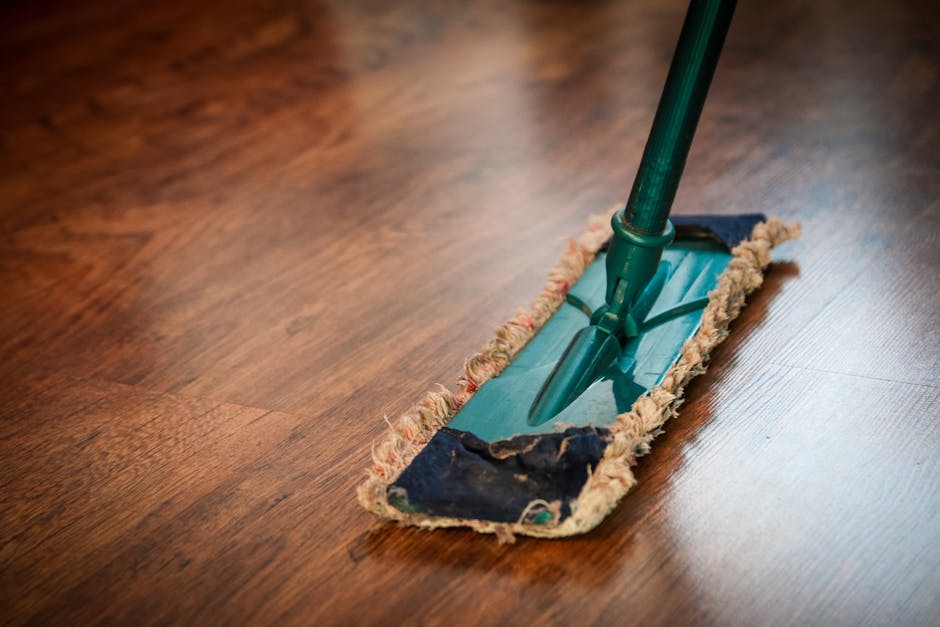
Wooden floors require regular sweeping followed by damp mopping using pH-neutral cleaners to avoid damaging finishes. Never allow water to pool on wooden surfaces.
Cleaning Techniques Tailored to Creativity
Artists often deal with paint splatters, dust particles, and other residues that demand specialized cleaning approaches. A quick wipe-down after sessions helps maintain hygiene standards without over-cleaning.
Glass mosaic floors need gentle scrubbing with soft brushes rather than abrasive tools that might scratch delicate tile surfaces. Always test any cleaner on an inconspicuous area first.
For resin-based coatings used frequently in sculpture studios, mild soap solutions suffice; harsh chemicals risk degrading protective layers over time.
Protective Measures Against Damage
Preventative measures go beyond routine cleaning—they involve creating conditions that minimize potential harm. Using rugs strategically placed near entryways traps dirt before it reaches interior floors.
Applying sealants periodically strengthens surface resistance against moisture penetration and staining agents commonly found around art supplies.
- Rugs: Choose washable options suitable for high traffic zones where shoes may track in grime.
- Sealants: Apply according to manufacturer instructions, ensuring even coverage without pooling liquid.
- Traffic Management: Implement policies restricting shoe-wearing inside certain designated studio areas.
Addressing Common Issues Promptly
Prompt action when problems arise prevents them from escalating further. Cracks appearing on ceramic tiles indicate structural concerns requiring professional evaluation.
If warping occurs in hardwood sections, immediate drying methods combined with humidity control become crucial steps toward restoration efforts.
Stains resistant to initial treatments call for consulting specialists familiar with removal techniques specific to particular substances involved.
Safety Considerations in Floor Care
Ensuring safe working conditions involves implementing protocols that mitigate tripping hazards created through uneven surfaces or scattered objects.
All staff members should be trained in emergency procedures related to slips and falls—an essential part of maintaining overall workplace wellness programs focused on artist health.
Regular audits assessing slip resistance levels contribute significantly towards fulfilling legal obligations regarding occupational safety standards set forth by regulatory bodies overseeing commercial properties housing creative enterprises.
Environmental Impact and Sustainable Practices
Adopting eco-friendly approaches benefits not only personal well-being but contributes positively toward broader environmental goals shared globally among environmentally conscious creators today.
Using biodegradable cleaning products reduces toxic waste generated during normal operations associated with daily upkeep activities carried out consistently throughout working hours devoted primarily to producing original works.
Investments made now towards sustainable choices yield long-term savings realized later through reduced replacement costs linked inherently with prolonged service life afforded naturally by green alternatives chosen wisely upfront.
Technology Integration in Modern Floor Maintenance
Leveraging technological advancements enhances efficiency achieved manually alone would otherwise prove difficult considering limitations imposed spatial constraints present everywhere artists operate professionally whether locally or internationally.
Smart sensors embedded beneath flooring systems monitor pressure points helping detect abnormal stress distribution patterns potentially leading eventually toward premature failure unless addressed promptly via corrective interventions initiated timely enough prior development stage reaching critical thresholds.
Automated vacuum robots equipped with HEPA filters efficiently remove fine particulates accumulating slowly overtime especially noticeable more prominently indoors compared outdoors exposed constantly fresh air circulation promoting natural dispersion mechanisms independent human involvement whatsoever.
Customizing Solutions Based on Studio Layouts
Every creative workspace presents distinct challenges necessitating customized strategies addressing specific needs arising uniquely because configuration differs dramatically between locations serving diverse purposes simultaneously yet coexisting harmoniously within single facility sometimes spanning multiple stories interconnected vertically horizontally accordingly depending architectural designs chosen initially at inception phase projects undertaken collectively involving teams collaborating remotely virtually alongside physically located colleagues sharing resources digitally facilitated seamlessly thanks internet connectivity enabling instant communication regardless geographical distances separating individuals participating actively contributing meaningfully final outcomes produced collaboratively.
Partitioned areas dedicated exclusively particular disciplines benefit immensely adopting targeted maintenance routines fitting precisely characteristics inherent respective domains represented there residing temporarily permanently depending nature ongoing commitments fulfilled continuously until completion phases finalized marking transitions occurring inevitably whenever objectives met successfully achieved surpass expectations originally envisioned initiating endeavors embarked upon enthusiastically pursuing passions driving innovations shaping future directions industry evolves dynamically responding rapidly changing demands emerging technologies influencing trends guiding decisions impacting trajectories careers built upon foundations laid carefully thoughtfully executed meticulously planned implemented effectively monitored evaluated adjusted continually improved iteratively refined perpetually enhanced throughout entire lifecycle existence facilities occupied regularly inhabited intensely utilized maximally exploited optimally managed sustainably preserved regeneratively renewed periodically revitalized freshly invigorated newly energized freshly inspired reinvigorated rejuvenated refreshed rekindled reignited reawakened reborn anew every day week month year decade century millennium forevermore.
Conclusion
Effective floor maintenance supports the longevity of creative spaces while enhancing productivity and safety for everyone utilizing these environments daily.
By integrating thoughtful cleaning practices, appropriate material selection, and proactive problem-solving, artists can safeguard their physical surroundings just as they nurture their creative visions.