The Artisan’s Ascent: Crafting Timber Stairs as Functional Masterpieces
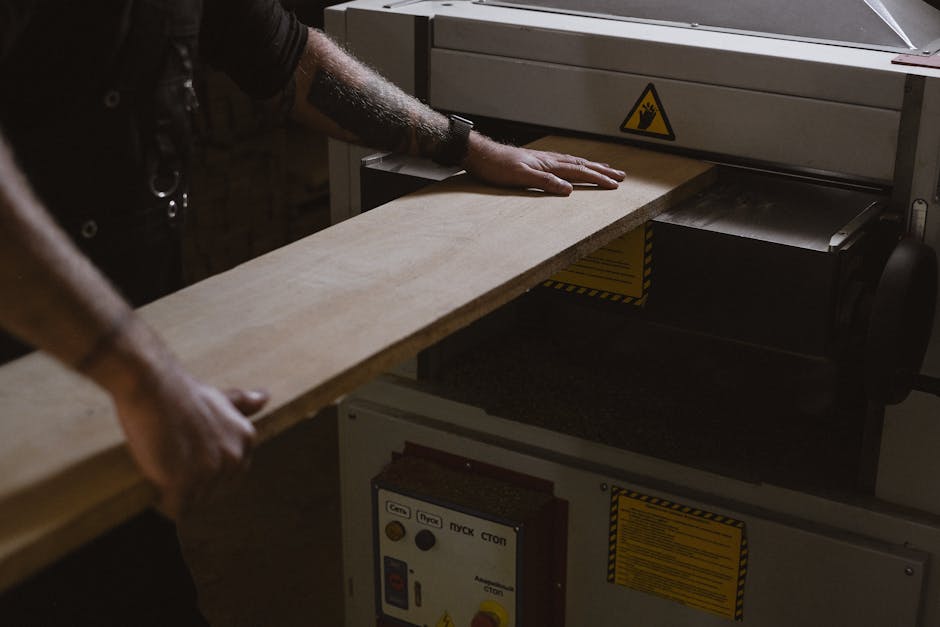
In the world of architectural expression, few elements combine utility and elegance quite like timber stairs. These structures transcend mere functionality, becoming canvases for creativity that reflect the ethos of both form and function.
For artists and designers, timber stairs offer an opportunity to infuse spaces with warmth, texture, and bespoke character. Their adaptability allows them to seamlessly integrate into diverse aesthetic visions, whether minimalist, industrial, or ornate.
Historical Significance of Timber Stairs
Timber stairs trace their roots back to ancient civilizations, where they were crafted with meticulous attention to detail. Early examples, such as those found in Egyptian tombs and Roman villas, showcase the enduring appeal of wood as a material for elevation.
During the Renaissance, timber stairs became symbols of status and sophistication. Elaborate spiral staircases adorned palaces and cathedrals, blending engineering precision with artistic flair. This tradition continues today, with artisans drawing inspiration from centuries-old techniques.
Modern interpretations often merge classical motifs with contemporary minimalism. Architects frequently incorporate open risers, geometric patterns, and exposed joinery to celebrate the natural grain and texture of wood.
- Cultural Influence: From medieval castles to Art Deco skyscrapers, timber stairs have reflected societal values and technological advancements over time.
- Material Legacy: The choice of wood species historically dictated the durability and visual impact of stairs, influencing everything from royal residences to public institutions.
Design Considerations for Artists & Creative Spaces
Artists and creative professionals require environments that inspire innovation. Timber stairs play a pivotal role in shaping these atmospheres through thoughtful design choices that balance aesthetics and ergonomics.
A well-designed staircase enhances spatial dynamics, guiding movement while creating focal points. Its placement can define room proportions, influence lighting distribution, and even affect acoustic properties in performance venues.
Consideration of scale and proportion is essential. A towering grand staircase may dominate a space, while compact, multi-level steps can add rhythm to smaller areas. These decisions directly impact the emotional resonance of the environment.
Integration with surrounding architecture ensures harmony rather than disruption. Whether complementing raw concrete walls or softening industrial steel frameworks, timber stairs serve as unifying elements in complex interior compositions.
Selecting the Right Timber Species
Choosing the ideal wood type involves balancing aesthetic preferences with practical demands. Different species offer varying levels of hardness, grain patterns, and resistance to wear, requiring careful evaluation based on intended use.
Oak remains a popular choice due to its strength and distinctive figuring, making it suitable for high-traffic areas. Walnut provides rich dark tones with smooth textures, appealing to those seeking timeless elegance.
Bamboo offers sustainable alternatives with remarkable flexibility and resilience, perfect for modernist or eco-conscious installations. Exotic hardwoods like teak or mahogany bring exotic allure but demand specialized care.
Local availability and environmental ethics also factor heavily in selection. Sourcing sustainably harvested woods supports responsible forestry practices while reducing carbon footprints associated with long-distance shipping.
Installation Techniques for Aesthetic Integrity
Professional installation guarantees both safety and visual cohesion. Expert carpenters employ precise measurements, secure fastenings, and seamless joints to preserve the integrity of wooden components.
Precision cutting and fitting are crucial for maintaining uniformity across treads and risers. Even minor discrepancies become glaringly obvious in open-concept spaces, undermining the clean lines central to many artistic visions.
Meticulous attention to hardware details—from balustrade spacing to handrail curvature—ensures comfort and accessibility without compromising stylistic intent. Subtle variations in finish application further contribute to organic, lived-in appearances.
Dry-fitting components before final assembly helps identify potential issues early. This preparatory step safeguards against costly mistakes during construction phases, preserving both budget constraints and creative vision.
Maintenance Tips for Longevity
Sustaining the beauty of timber stairs requires regular upkeep. Establishing routine maintenance schedules prevents damage accumulation and extends lifespan significantly beyond casual neglect.
Daily sweeping removes debris that could scratch surfaces, while periodic damp mopping maintains cleanliness without excessive moisture exposure. Protective coatings help repel spills and stains effectively when applied correctly.
Annual inspections reveal signs of warping, splitting, or loosening connections. Prompt repairs prevent small issues from escalating into larger structural concerns affecting stability and appearance alike.
Seasonal climate fluctuations necessitate additional precautions. Humidity control measures protect against swelling or shrinking, which can compromise dimensional accuracy over time.
Customization Options for Personal Expression
Timber stairs present unparalleled opportunities for personalization. Artists can collaborate with craftsmen to develop bespoke features reflecting individual styles and thematic narratives.
Carved detailing adds narrative depth, transforming simple steps into sculptural expressions. Engraved motifs allow incorporation of symbolic imagery, quotes, or abstract patterns that resonate personally with occupants.
Color treatments range from natural oils highlighting wood grains to bold lacquers creating dramatic contrasts. Metallic accents introduce unexpected elements that challenge conventional notions of functional furniture.
Modular systems enable reconfiguration possibilities, allowing spaces to evolve alongside changing creative priorities. Adjustable heights accommodate shifting layouts or new design directions organically.
Sustainability & Eco-Friendly Practices
Eco-conscious approaches prioritize renewable resources and environmentally sound manufacturing processes. Choosing certified lumber ensures ethical harvesting practices align with ecological stewardship principles.
Low-VOC finishes reduce indoor air pollution, supporting healthier living conditions particularly valued by sensitive artists working extensively in enclosed studio environments. Natural dyes offer vibrant color palettes without chemical toxins.
Recycling old timber creates circular economies by giving reclaimed wood new life in innovative applications. Salvaged pieces retain stories embedded within their fibers, adding layers of meaning to each creation.
Energy-efficient production methods minimize waste generation during fabrication stages. Precision machining reduces excess material consumption compared to traditional subtractive techniques.
Case Studies in Creative Application
Examining successful implementations reveals how timber stairs transform ordinary spaces into extraordinary experiences. Notable examples demonstrate effective fusion of technical skill with imaginative concept development.
A contemporary gallery used floating platform stairs to create dynamic sightlines between exhibition zones. Strategic placement maximized light penetration while minimizing visual clutter typically associated with angular geometries.
An artist residency program incorporated salvaged barnwood into winding staircase designs. Weathered textures contrasted with sleek metallic railings, symbolizing transformation through reuse and reinterpretation.
Studio apartments employed vertical storage solutions integrated within custom-built ladders. Multi-functional elements addressed spatial limitations creatively without sacrificing aesthetic quality expectations.
Conclusion
Timber stairs represent a harmonious intersection of craft, design, and imagination. They elevate spaces physically while offering endless avenues for artistic exploration and self-expression.
Whether enhancing existing interiors or serving as primary structural features, these creations deserve deliberate consideration in any creative project. Embrace the potential of wood to shape not just physical environments, but also emotional landscapes imbued with personality and purpose.