The Art of Wood Refinishing: Transforming Surfaces with Creativity and Craftsmanship
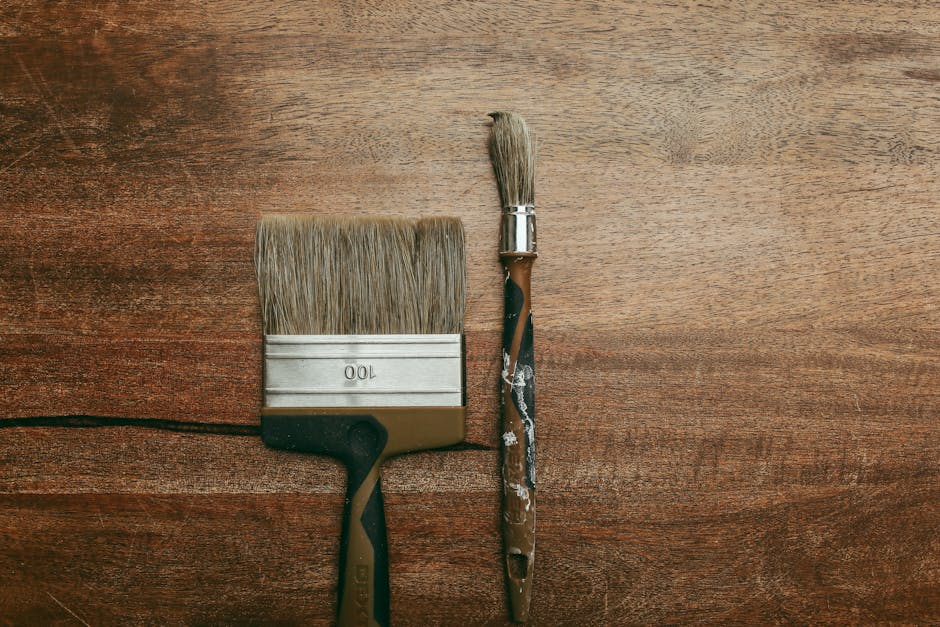
In an era where creativity thrives in every corner of artistic expression, wood refinishing emerges as a powerful medium that marries functionality with aesthetic innovation. For artists and creative professionals, understanding how to refine wood surfaces is not merely a technical skill—it’s an opportunity to explore textures, colors, and finishes that can elevate their workspaces, tools, and even art installations.
This guide delves into the intricate world of wood refinishing, offering insight into techniques, materials, and processes tailored specifically for those who seek to infuse their surroundings with personal style and professional quality. Whether you’re looking to restore vintage furniture, create custom wooden panels for your studio, or simply enhance the visual appeal of everyday objects, mastering wood refinishing opens up a realm of possibilities.
The Foundations of Wood Refinishing
Wood refinishing begins with a fundamental understanding of the material itself. Different types of wood possess varying grain structures, hardness levels, and susceptibility to wear, which significantly influence the refining process. Softwoods such as pine and fir are generally easier to sand and finish but may show imperfections more readily than hardwoods like oak or walnut.
Before any refinishing project commences, it’s crucial to assess the condition of the wood surface. This includes identifying existing stains, scratches, or damage that might require additional preparation steps before applying new finishes. Understanding these characteristics allows artisans to tailor their approach accordingly—whether they aim for a smooth sheen or a distressed look that evokes nostalgia.
A key aspect of successful wood refinishing lies in selecting appropriate tools and equipment. Handheld sanders, orbital sander machines, and belt sanders each serve distinct purposes depending on the scale and nature of the project at hand. Additionally, specialized brushes designed for fine detailing enable precise application when working on intricate designs or small components.
- Preparation: Thoroughly clean the wood surface using mild soap solutions or degreasers to remove dirt, oils, or old finishes that could interfere with adhesion.
- Sanding: Begin with coarse-grit sandpaper (around 80-100 grit) to eliminate rough spots followed by progressively finer grits (upwards from 120 to 220 grit) until achieving desired smoothness.
Selecting the Right Finish for Your Vision
Choosing an appropriate finish plays a pivotal role in determining both the appearance and durability of refined wood surfaces. Options range from traditional oil-based varnishes known for their deep luster and long-lasting protection to waterborne alternatives favored for low odor emissions and ease of cleanup.
For artists seeking vibrant color palettes within their projects, staining becomes essential. Stains come in various forms including gel stains suitable for vertical applications without running down, pre-catalyzed lacquers ideal for high-gloss effects, and shellac products prized for quick drying times while maintaining natural wood tones.
Moreover, experimenting with different layers of topcoats can yield fascinating results; clear coats applied over colored stain allow for subtle variations in light reflection across textured grains. Conversely, matte finishes provide softer visuals perfect for contemporary interiors aiming minimalistic aesthetics through contrast rather than shine.
Understanding Finish Types
Familiarizing oneself with common finishing options helps ensure compatibility between chosen methods and intended outcomes. Oil-based polyurethanes offer robust protection against moisture penetration yet tend heavier scent profiles during curing phases compared lighter-weight acrylic urethane counterparts commonly used today due improved environmental safety standards.
Crafting bespoke looks often involves combining multiple mediums—such blending tinted waxes onto already coated boards prior final sealing stages—to achieve layered depth similar achieved professionally painted artworks. Such hybrid approaches require careful consideration regarding chemical interactions among constituents involved so unexpected reactions don’t compromise overall integrity.
Advanced Techniques in Wood Refinishing
While basic procedures suffice many straightforward tasks encountered daily life scenarios involving household items repairs etcetera advanced methodologies become indispensable whenever dealing complex architectural features requiring precision execution under tight deadlines constraints typical professional environments operate within.
Mastery over technique extends beyond mere application skills encompass knowledge surrounding optimal temperature ranges humidity controls necessary maintain consistency throughout entire operation lifecycle especially considering sensitive substrates prone warping deformation upon exposure fluctuating atmospheric conditions.
Detailed attention given preparatory phases ensures longevity enjoyment derived completed pieces. Proper ventilation systems installed workspace mitigate risks associated volatile organic compounds released during solvent evaporation periods particularly critical studios operating prolonged durations without adequate air circulation facilities available otherwise.
- Heat Treatment: Utilize controlled heat sources selectively target areas needing enhanced definition texture enhancing contrast visible once finished applied subsequently.
- Stippling Effects: Employ sponge applicators dipped diluted paint mixtures produce irregular patterns mimicking weathered aged appearances sought frequently decorative accents.
Tools of the Trade: Essential Equipment for Every Artist
No matter what level proficiency attained woodworking endeavors demand reliable instruments fulfilling diverse functions efficiently effectively. From simple handheld implements facilitating manual labor intensive operations right automated machinery streamlining repetitive actions considerable variety exists catering individual preferences styles workflows established practitioners.
Selecting correct toolset depends largely upon scope ambition undertaken particular undertaking. Smaller scale undertakings benefit greatly compact portable devices whereas larger format works necessitate heavy duty industrial grade apparatus capable handling substantial volumes simultaneously without compromising output quality standards expected industry benchmarks.
Investment worthwhile acquiring premium quality gear proves economical decision long run despite initial outlay costs incurred purchasing sophisticated hardware software required fully harness capabilities offered modern technology advances continually reshaping field continuously evolving landscape.
Recommended Toolkits
Beginners embarking journey wood refinishing would find value assembling foundational kit containing essentials including electric drill equipped multi-purpose bits set suitable drilling holes tapping screws securing fixtures safely firmly place intended locations around room space designated activity area.
Intermediate users aiming expand repertoire abilities might consider adding power tool collection featuring angle grinders fitted diamond wheels cutting grooves engraving intricate motifs permanently embedding surface beneath protective layer transparent sealant ensuring permanence design elements incorporated piece created.
Eco-Friendly Approaches to Wood Refinishing
As awareness grows concerning environmental impact human activities numerous sustainable practices gaining traction among eco-conscious individuals striving minimize carbon footprint without sacrificing performance attributes traditionally associated conventional methods utilized previously.
Biodegradable cleaning agents formulated plant-derived ingredients replace harsh chemicals usually present commercial detergents reducing toxicity levels present indoor atmosphere improving health safety occupants living spaces undergoing renovation projects.
Utilization recycled materials serves dual purpose conserving resources diminishing waste generation promoting circular economy model advocated green initiatives worldwide currently receiving significant governmental regulatory support incentivizing businesses adopt greener operational frameworks.
- Natural Oils: Linseed oil & tung oil provide nourishment strengthening fibers naturally occurring woods restoring vitality lost time exposure elements without synthetic additives detrimental ecosystem balance.
- Bamboo Veneer: Incorporating bamboo laminates reduces deforestation pressure encourages responsible harvesting management programs implemented regions cultivating species sustainably harvested monitored periodically assessing ecological sustainability metrics regularly updated publicly accessible databases tracking progress achievements annually published reports.
Troubleshooting Common Issues in Wood Refinishing Projects
Despite meticulous planning unforeseen complications occasionally arise challenging completion objectives initially envisioned. Identifying root causes promptly enables swift resolution preventing escalation problems affecting final outcome adversely.
Prominent issues include inconsistent absorption rates leading uneven coverage appearing blotchy patches spoiling uniformity desired finish. Addressing this entails employing conditioner prior applying first coat base primer equalizing porosity allowing subsequent treatments distribute evenly uniformly across treated region.
Overspray incidents resulting accidental contact unintended surfaces occurs frequently inexperienced operators unfamiliar correct shielding measures required protect adjacent areas unaffected project zone. Implementing physical barriers plastic sheeting masking tape strategically positioned prevents unwanted contamination preserving clarity distinction boundaries defined clearly beforehand.
- Humidity Control: Maintain stable ambient temperatures humidity levels prevent swelling shrinking caused moisture fluctuations disrupting dimensional stability vital structural soundness preserved throughout lifespan object refinished.
- Drying Time Management: Allow sufficient intervals pass between successive layers coatings permit full cure avoid smudging distorting delicate patterns formed earlier stages development cycle.
Creative Applications Beyond Traditional Furniture Restoration
Though widely recognized association furniture restoration wood refinishing offers limitless potential artistic experimentation transcending conventional expectations imposed society historically assigned function roles objects composed timber.
Artists exploring multimedia installations integrating interactive elements responsive stimuli audiences engage physically emotionally transformed experience rendered tangible form via tactile sensory modalities activated direct interaction participants.
Experimental approaches challenge traditional notions beauty symmetry embracing asymmetry randomness celebrating flaws imperfections inherent raw materials employed creation process itself becoming integral component artwork displayed exhibited public galleries private collections alike.
- Textural Contrasts: Combine smooth polished sections juxtaposed against deliberately left rough untreated portions evoke emotional responses viewers contemplating duality existence decay regeneration cycles observed nature.
- Color Layering: Apply graduated hues transitioning gradually deeper richer shades accentuate natural grain patterns creating illusion movement depth perceived visually compelling compositions.
Conclusion
Wood refinishing stands as a dynamic intersection between craftsmanship and creativity, providing artists with unparalleled opportunities to transform ordinary surfaces into extraordinary expressions of individual vision. By mastering the fundamentals—from choosing the right tools to implementing environmentally conscious techniques—creative professionals can unlock new dimensions in their practice.
Whether reviving cherished heirlooms or crafting innovative installations, the artistry involved in wood refinishing invites endless exploration and reinvention. Embrace this versatile discipline, and let your imagination shape the very essence of wood into something truly remarkable.
“`html
“`
The Art of Wood Refinishing: Transforming Surfaces with Creativity and Craftsmanship
In an era where creativity thrives in every corner of artistic expression, wood refinishing emerges as a powerful medium that marries functionality with aesthetic innovation. For artists and creative professionals, understanding how to refine wood surfaces is not merely a technical skill—it’s an opportunity to explore textures, colors, and finishes that can elevate their workspaces, tools, and even art installations.
This guide delves into the intricate world of wood refinishing, offering insight into techniques, materials, and processes tailored specifically for those who seek to infuse their surroundings with personal style and professional quality. Whether you’re looking to restore vintage furniture, create custom wooden panels for your studio, or simply enhance the visual appeal of everyday objects, mastering wood refinishing opens up a realm of possibilities.
The Foundations of Wood Refinishing
Wood refinishing begins with a fundamental understanding of the material itself. Different types of wood possess varying grain structures, hardness levels, and susceptibility to wear, which significantly influence the refining process. Softwoods such as pine and fir are generally easier to sand and finish but may show imperfections more readily than hardwoods like oak or walnut.
Before any refinishing project commences, it’s crucial to assess the condition of the wood surface. This includes identifying existing stains, scratches, or damage that might require additional preparation steps before applying new finishes. Understanding these characteristics allows artisans to tailor their approach accordingly—whether they aim for a smooth sheen or a distressed look that evokes nostalgia.
A key aspect of successful wood refinishing lies in selecting appropriate tools and equipment. Handheld sanders, orbital sander machines, and belt sanders each serve distinct purposes depending on the scale and nature of the project at hand. Additionally, specialized brushes designed for fine detailing enable precise application when working on intricate designs or small components.
- Preparation: Thoroughly clean the wood surface using mild soap solutions or degreasers to remove dirt, oils, or old finishes that could interfere with adhesion.
- Sanding: Begin with coarse-grit sandpaper (around 80-100 grit) to eliminate rough spots followed by progressively finer grits (upwards from 120 to 220 grit) until achieving desired smoothness.
Selecting the Right Finish for Your Vision
Choosing an appropriate finish plays a pivotal role in determining both the appearance and durability of refined wood surfaces. Options range from traditional oil-based varnishes known for their deep luster and long-lasting protection to waterborne alternatives favored for low odor emissions and ease of cleanup.
For artists seeking vibrant color palettes within their projects, staining becomes essential. Stains come in various forms including gel stains suitable for vertical applications without running down, pre-catalyzed lacquers ideal for high-gloss effects, and shellac products prized for quick drying times while maintaining natural wood tones.
Moreover, experimenting with different layers of topcoats can yield fascinating results; clear coats applied over colored stain allow for subtle variations in light reflection across textured grains. Conversely, matte finishes provide softer visuals perfect for contemporary interiors aiming minimalistic aesthetics through contrast rather than shine.
Understanding Finish Types
Familiarizing oneself with common finishing options helps ensure compatibility between chosen methods and intended outcomes. Oil-based polyurethanes offer robust protection against moisture penetration yet tend heavier scent profiles during curing phases compared lighter-weight acrylic urethane counterparts commonly used today due improved environmental safety standards.
Crafting bespoke looks often involves combining multiple mediums—such blending tinted waxes onto already coated boards prior final sealing stages—to achieve layered depth similar achieved professionally painted artworks. Such hybrid approaches require careful consideration regarding chemical interactions among constituents involved so unexpected reactions don’t compromise overall integrity.
Advanced Techniques in Wood Refinishing
While basic procedures suffice many straightforward tasks encountered daily life scenarios involving household items repairs etcetera advanced methodologies become indispensable whenever dealing complex architectural features requiring precision execution under tight deadlines constraints typical professional environments operate within.
Mastery over technique extends beyond mere application skills encompass knowledge surrounding optimal temperature ranges humidity controls necessary maintain consistency throughout entire operation lifecycle especially considering sensitive substrates prone warping deformation upon exposure fluctuating atmospheric conditions.
Detailed attention given preparatory phases ensures longevity enjoyment derived completed pieces. Proper ventilation systems installed workspace mitigate risks associated volatile organic compounds released during solvent evaporation periods particularly critical studios operating prolonged durations without adequate air circulation facilities available otherwise.
- Heat Treatment: Utilize controlled heat sources selectively target areas needing enhanced definition texture enhancing contrast visible once finished applied subsequently.
- Stippling Effects: Employ sponge applicators dipped diluted paint mixtures produce irregular patterns mimicking weathered aged appearances sought frequently decorative accents.
Tools of the Trade: Essential Equipment for Every Artist
No matter what level proficiency attained woodworking endeavors demand reliable instruments fulfilling diverse functions efficiently effectively. From simple handheld implements facilitating manual labor intensive operations right automated machinery streamlining repetitive actions considerable variety exists catering individual preferences styles workflows established practitioners.
Selecting correct toolset depends largely upon scope ambition undertaken particular undertaking. Smaller scale undertakings benefit greatly compact portable devices whereas larger format works necessitate heavy duty industrial grade apparatus capable handling substantial volumes simultaneously without compromising output quality standards expected industry benchmarks.
Investment worthwhile acquiring premium quality gear proves economical decision long run despite initial outlay costs incurred purchasing sophisticated hardware software required fully harness capabilities offered modern technology advances continually reshaping field continuously evolving landscape.
Recommended Toolkits
Beginners embarking journey wood refinishing would find value assembling foundational kit containing essentials including electric drill equipped multi-purpose bits set suitable drilling holes tapping screws securing fixtures safely firmly place intended locations around room space designated activity area.
Intermediate users aiming expand repertoire abilities might consider adding power tool collection featuring angle grinders fitted diamond wheels cutting grooves engraving intricate motifs permanently embedding surface beneath protective layer transparent sealant ensuring permanence design elements incorporated piece created.
Eco-Friendly Approaches to Wood Refinishing
As awareness grows concerning environmental impact human activities numerous sustainable practices gaining traction among eco-conscious individuals striving minimize carbon footprint without sacrificing performance attributes traditionally associated conventional methods utilized previously.
Biodegradable cleaning agents formulated plant-derived ingredients replace harsh chemicals usually present commercial detergents reducing toxicity levels present indoor atmosphere improving health safety occupants living spaces undergoing renovation projects.
Utilization recycled materials serves dual purpose conserving resources diminishing waste generation promoting circular economy model advocated green initiatives worldwide currently receiving significant governmental regulatory support incentivizing businesses adopt greener operational frameworks.
- Natural Oils: Linseed oil & tung oil provide nourishment strengthening fibers naturally occurring woods restoring vitality lost time exposure elements without synthetic additives detrimental ecosystem balance.
- Bamboo Veneer: Incorporating bamboo laminates reduces deforestation pressure encourages responsible harvesting management programs implemented regions cultivating species sustainably harvested monitored periodically assessing ecological sustainability metrics regularly updated publicly accessible databases tracking progress achievements annually published reports.
Troubleshooting Common Issues in Wood Refinishing Projects
Despite meticulous planning unforeseen complications occasionally arise challenging completion objectives initially envisioned. Identifying root causes promptly enables swift resolution preventing escalation problems affecting final outcome adversely.
Prominent issues include inconsistent absorption rates leading uneven coverage appearing blotchy patches spoiling uniformity desired finish. Addressing this entails employing conditioner prior applying first coat base primer equalizing porosity allowing subsequent treatments distribute evenly uniformly across treated region.
Overspray incidents resulting accidental contact unintended surfaces occurs frequently inexperienced operators unfamiliar correct shielding measures required protect adjacent areas unaffected project zone. Implementing physical barriers plastic sheeting masking tape strategically positioned prevents unwanted contamination preserving clarity distinction boundaries defined clearly beforehand.
- Humidity Control: Maintain stable ambient temperatures humidity levels prevent swelling shrinking caused moisture fluctuations disrupting dimensional stability vital structural soundness preserved throughout lifespan object refinished.
- Drying Time Management: Allow sufficient intervals pass between successive layers coatings permit full cure avoid smudging distorting delicate patterns formed earlier stages development cycle.
Creative Applications Beyond Traditional Furniture Restoration
Though widely recognized association furniture restoration wood refinishing offers limitless potential artistic experimentation transcending conventional expectations imposed society historically assigned function roles objects composed timber.
Artists exploring multimedia installations integrating interactive elements responsive stimuli audiences engage physically emotionally transformed experience rendered tangible form via tactile sensory modalities activated direct interaction participants.
Experimental approaches challenge traditional notions beauty symmetry embracing asymmetry randomness celebrating flaws imperfections inherent raw materials employed creation process itself becoming integral component artwork displayed exhibited public galleries private collections alike.
- Textural Contrasts: Combine smooth polished sections juxtaposed against deliberately left rough untouched portions evoke emotional responses viewers contemplating duality existence decay regeneration cycles observed nature.
- Color Layering: Apply graduated hues transitioning gradually deeper richer shades accentuate natural grain patterns creating illusion movement depth perceived visually compelling compositions.
Conclusion
Wood refinishing stands as a dynamic intersection between craftsmanship and creativity, providing artists with unparalleled opportunities to transform ordinary surfaces into extraordinary expressions of individual vision. By mastering the fundamentals—from choosing the right tools to implementing environmentally conscious techniques—creative professionals can unlock new dimensions in their practice.
Whether reviving cherished heirlooms or crafting innovative installations, the artistry involved in wood refinishing invites endless exploration and reinvention. Embrace this versatile discipline, and let your imagination shape the very essence of wood into something truly remarkable.
“`
