The Transformative Power of Floor Showcases in Contemporary Art Spaces
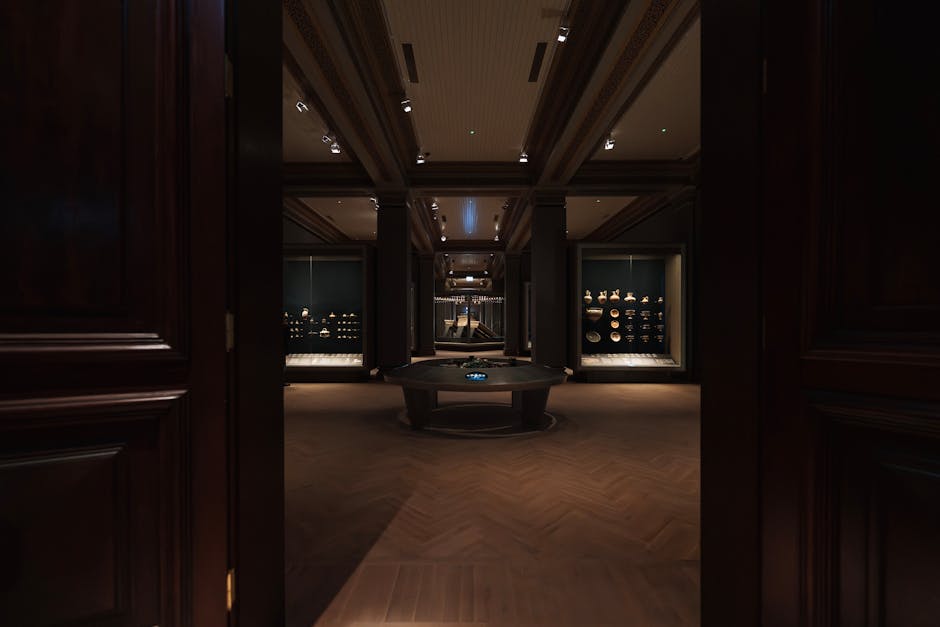
Floor showcases are revolutionizing how we experience art in modern galleries and creative environments. These innovative installations offer an immersive platform that bridges the gap between traditional displays and interactive engagement.
Artists and curators are increasingly turning to floor-based exhibits as they provide unparalleled opportunities for spatial storytelling and viewer interaction. This shift reflects broader trends in experiential design across artistic disciplines.
Evolving Aesthetics of Modern Floor Displays
The visual language of contemporary floor showcases is constantly evolving through material experimentation and form innovation. Artists now explore unconventional materials ranging from recycled plastics to biodegradable composites.
These choices not only reflect environmental consciousness but also challenge conventional notions of permanence in display structures. The tactile qualities of these materials add new dimensions to visitor experiences.
- Biomimetic surfaces: Inspired by natural patterns, these designs create organic flow between artwork elements and surrounding architecture
- Luminescent substrates: Advanced LED integration allows dynamic lighting effects that respond to movement and time of day
Interactive Engagement Through Spatial Design
Modern floor showcases prioritize active participation over passive observation. Interactive elements such as pressure-sensitive panels transform viewing spaces into participatory environments.
These features encourage visitors to become co-creators in the exhibition narrative. Movement triggers changes in light patterns, soundscapes, or even digital projections integrated within the flooring system.
Data-Driven Interactivity
Pioneering installations employ motion sensors and AI algorithms to track visitor behavior. This data informs real-time adjustments to exhibit elements creating personalized experiences.
Statistics show that interactive floors increase dwell times by up to 40% compared to static displays. Such metrics validate the effectiveness of responsive design strategies in gallery settings.
Architectural Integration Techniques
Sophisticated floor showcases seamlessly merge with building infrastructure while maintaining their distinct artistic identity. Architects use modular systems that adapt to various space configurations.
These adaptable frameworks allow exhibitions to evolve without requiring complete structural modifications. The result is a fluid relationship between temporary installations and permanent architectural features.
Material Innovation in Display Construction
Advancements in composite technologies have expanded possibilities for floor showcase construction. Engineers develop lightweight yet durable materials capable of supporting heavy artworks safely.
Newly developed impact-resistant polymers enable bold geometric designs that would previously require reinforced concrete foundations. This breakthrough opens doors for experimental sculptural arrangements.
Cultural Contexts and Global Perspectives
Floor showcase implementations vary significantly across cultures reflecting local traditions and aesthetic values. In Japan, minimalist approaches emphasize harmony between art objects and ambient environment.
Contrastingly, Scandinavian designs often incorporate warm wood tones and organic curves to foster intimacy between viewers and displayed works. These regional distinctions enrich global conversations about spatial aesthetics.
Tech-Enhanced Exhibition Experiences
Digital augmentation transforms basic floor showcases into multi-sensory platforms. Augmented reality overlays can reveal hidden layers of meaning within exhibited pieces.
Smartphone apps paired with embedded NFC chips enable instant access to artist statements, historical context, and related media content. This technology democratizes knowledge dissemination during visits.
Sustainability Considerations in Installation Design
Eco-conscious practices are becoming essential in floor showcase development. Recyclable components and energy-efficient systems minimize environmental impact throughout the lifecycle of installations.
Innovative cooling solutions reduce strain on HVAC systems when housing temperature-sensitive artifacts. These considerations align with broader industry efforts toward sustainable curation practices.
Curatorial Strategies for Effective Showcase Implementation
Successful floor showcase projects begin with thorough site analysis and stakeholder consultation. Curators evaluate factors like foot traffic patterns and acoustic properties before proposing layouts.
Collaboration between artists, engineers, and architects ensures technical feasibility while preserving conceptual integrity. This multidisciplinary approach yields cohesive yet groundbreaking final products.
Future Directions in Floor Showcase Development
Ongoing research explores integrating bio-reactive materials that change appearance based on atmospheric conditions. These developments could redefine how we perceive the relationship between art and its surroundings.
Emerging fields like neuroaesthetics may influence future designs by incorporating physiological feedback mechanisms. Such innovations promise to deepen our understanding of viewer-art interactions at fundamental levels.
Conclusion
Floor showcases represent a paradigm shift in how we engage with visual culture today. Their ability to combine functionality with artistic expression sets them apart from traditional display methods.
As technological advancements continue, these installations will likely play an even greater role in shaping future museum experiences and creative professional practices worldwide.
[END]