The Timeless Elegance of Hardwood Floors in Creative Spaces
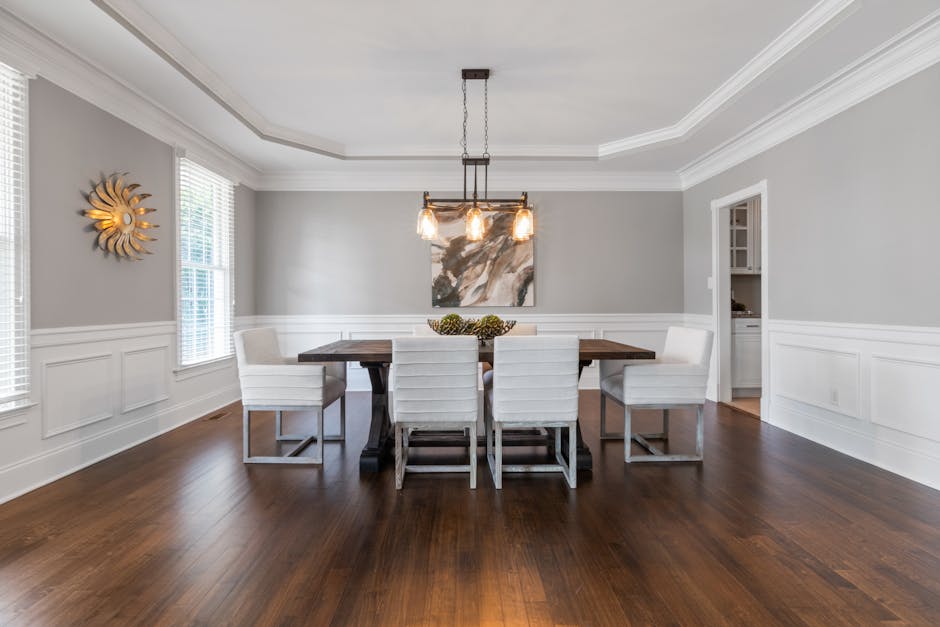
In an era where interior design trends shift rapidly, hardwood floors stand as enduring symbols of craftsmanship and timeless beauty. For artists and creative professionals, these natural surfaces offer more than aesthetic appeal—they provide a foundation that enhances both functionality and inspiration.
Hardwood flooring is not merely a choice; it’s an investment in ambiance, durability, and long-term value. This guide explores why hardwood remains a preferred option for studios, galleries, and creative workspaces worldwide.
Elevating Aesthetic Appeal Through Natural Materials
Natural hardwood floors bring organic textures and rich tones into any space, creating visual warmth that synthetic alternatives often lack. The grain patterns and color variations inherent in real wood add character and individuality to every installation.
From the deep mahogany hues of Brazilian cherry to the golden undertones of oak, each species offers distinct personality traits. These natural imperfections become storytelling elements within your workspace environment.
Artists particularly appreciate how floorboards reflect light differently depending on time of day, casting dynamic shadows across their canvases and inspiring new perspectives during creation sessions.
The ability to customize finishes—from matte to high-gloss—allows creators to match their personal style while maintaining functional benefits. Matte finishes reduce glare, ideal for photography and digital art setups.
- Vintage reclaimed wood introduces historical narratives through its patina and nail holes
- Exotic species like teak or ipe offer exceptional durability against heavy foot traffic
- Wire-brushed finishes enhance texture visibility without compromising comfort underfoot
Crafting Functional Workspaces With Durable Surfaces
Achieving balance between artistic expression and practical needs requires thoughtful material selection. Hardwood floors excel at combining beauty with resilience necessary for demanding creative environments.
Professional studios benefit from engineered hardwood options which maintain stability across temperature fluctuations common in gallery spaces. These composite constructions prevent warping issues associated with traditional solid planks.
For dance studios or performance venues, the slight give of certain hardwood types provides safer flooring compared to rigid tile surfaces. This flexibility reduces impact stress on joints during rehearsals.
Maintenance routines are simplified by choosing water-resistant finishes like polyurethane coatings. Quick wipe-downs suffice for most spills, preserving the integrity of your working surface.
Enhancing Acoustic Properties In Multi-Purpose Studios
Sound management becomes crucial when converting open spaces into multifunctional creative hubs. Properly installed hardwood floors contribute significantly to acoustic control within such environments.
Softwood species like maple or walnut absorb sound better than dense hardwoods, making them excellent choices for recording studios or practice rooms requiring controlled acoustics.
Combining hardwood with area rugs creates optimal noise reduction without sacrificing stylistic coherence. Strategic placement can transform echo-prone areas into acoustically balanced zones.
Different thicknesses affect sound transmission properties. Thicker boards generally dampen vibrations more effectively, benefiting music production facilities needing isolation from external noises.
Fostering Inspiration Through Environmental Connection
There exists a psychological link between natural materials and enhanced creativity. Studies show that exposure to wood interiors correlates with increased productivity among designers and writers.
Wood’s thermal mass helps regulate indoor temperatures naturally, reducing reliance on artificial climate controls. This passive heating/cooling effect contributes to more comfortable working conditions year-round.
Biophilic design principles suggest that integrating nature into built environments improves mental well-being. Hardwood floors fulfill this requirement by bringing elemental connection indoors.
The tactile experience of walking barefoot on smooth wooden planks has been shown to lower cortisol levels, promoting calmness essential for focused artistic endeavors.
Sustainable Choices For Eco-Conscious Creators
Environmental responsibility doesn’t have to compromise aesthetics. Choosing FSC-certified woods ensures support for sustainable forestry practices while enjoying beautiful natural materials.
Reclaimed lumber presents an eco-friendly alternative with minimal environmental footprint. Salvaged boards from old structures carry stories while reducing demand for newly harvested timber.
Prefinished hardwood products minimize VOC emissions during installation, aligning with green building standards required for LEED certification applications.
Local sourcing decreases transportation-related carbon emissions, supporting regional economies while ensuring shorter supply chains for faster delivery times.
Customization Options For Unique Studio Environments
No two creative professionals require identical solutions. Custom hardwood installations allow tailoring designs to match specific spatial requirements and artistic visions.
Patterned layouts like herringbone or chevron create architectural interest in otherwise plain spaces. These geometric arrangements add dimensionality without overwhelming minimalist decor schemes.
Color staining techniques enable precise matching with existing furniture palettes. From classic stains to bold modern colors, customization possibilities remain vast.
Integrated lighting systems beneath floorboards illuminate artwork displays unobtrusively, transforming exhibition spaces into immersive experiences.
Protective Measures For Long-Term Preservation
Proper maintenance extends the lifespan of hardwood floors dramatically. Implementing protective strategies safeguards investments while maintaining desired aesthetic qualities.
Regular sweeping prevents abrasive particles from scratching delicate finish layers. Vacuum attachments designed specifically for wood floors ensure thorough yet gentle cleaning.
Using felt pads on furniture legs distributes weight evenly, preventing localized indentations over time. Floor mats near entryways trap dirt before it reaches sensitive wood surfaces.
Periodic reapplication of sealants maintains moisture resistance, especially critical in humid climates prone to mold growth along baseboard edges.
Cost Considerations And Value Retention
While initial costs may exceed other flooring options, hardwood represents long-term financial prudence due to its longevity and resale value potential.
Engineered hardwood typically costs less than solid varieties while offering similar durability characteristics. This makes it an attractive middle-ground solution for budget-conscious creatives.
Installation expenses vary based on complexity factors including pattern choices and subfloor preparation requirements. Professional grading ensures consistent quality outcomes regardless of chosen approach.
Resale value appreciation occurs because buyers consistently seek homes featuring hardwood floors. This characteristic makes it a wise investment even beyond immediate use cases.
Conclusion
Hardwood floors represent much more than mere flooring solutions—they embody the intersection of function and form essential for creative environments.
By thoughtfully selecting appropriate species, finishes, and installation methods, artists can cultivate spaces that inspire innovation while standing the test of time.