The Soulful Craftsmanship of Wood Artisans: Unveiling Timeless Techniques in Contemporary Creation
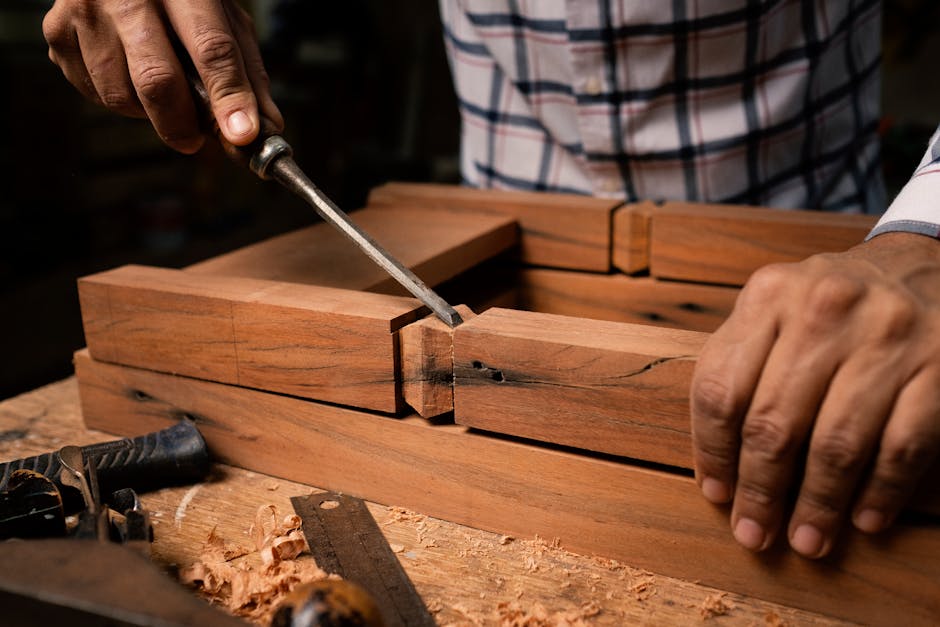
In a world increasingly dominated by digital media and synthetic materials, the quiet resilience of wood remains unmatched. For centuries, wood has been humanity’s most versatile collaborator—a material shaped by hands, minds, and hearts across cultures and epochs. From intricate carvings in ancient temples to minimalist furniture in modern homes, wood artisans continue to redefine what is possible with this natural resource.
This article delves into the lifeblood of craftsmanship behind every carved figure, polished table, or sculpted panel. It explores not only the technical mastery required but also the philosophy, history, and innovation driving wood artisans today. Whether you’re an artist seeking inspiration or a designer looking to collaborate, understanding this craft opens doors to timeless creativity.
The Historical Legacy of Wood Artistry
Woodworking dates back to prehistoric times when early humans fashioned spears, shelters, and tools from fallen trees. As societies evolved, so did the complexity of woodwork—from Neolithic carvings etched onto bones to the grand cathedrals of medieval Europe where oak beams soared toward stained-glass heavens. This lineage reveals a deep-seated human connection to timber, rooted in survival, spirituality, and storytelling.
Cultural milestones mark the progression of wood artistry. In Japan, the Edo period saw the rise of *kumiko* joinery, a technique allowing interlocking wooden panels without nails. Meanwhile, Scandinavian regions embraced functional aesthetics, crafting durable yet elegant furniture that blended utility with beauty. These traditions endure today, passed down through generations who honor ancestral wisdom while embracing modern sensibilities.
- Hand Tools vs. Power Tools: While electric routers and laser cutters now dominate many studios, master artisans often prefer hand tools for precision and tactile feedback. Chisels, planes, and gouges allow for micro-adjustments impossible with mechanized systems.
- Sustainability Practices: Many wood artisans prioritize ethical sourcing, choosing FSC-certified lumber or working with reclaimed wood from demolished buildings. This approach minimizes environmental impact while breathing new life into discarded materials.
Mastery Through Technique: Core Methods of Wood Artisanry
To understand wood artisans, one must study their primary techniques—the languages they speak to shape raw logs into objects of wonder. Carving, joinery, marquetry, and turning form the bedrock of their expertise. Each method demands years of practice, patience, and an intuitive grasp of wood grain behavior.
Carving, for instance, ranges from delicate relief work to bold sculptures. A skilled artisan knows which chisel angles produce clean lines versus those that risk splintering. Joinery, meanwhile, involves assembling components without visible fasteners, requiring precise measurements and geometric knowledge. Mastery of these skills transforms ordinary timber into extraordinary creations.
The Science Behind Successful Carving
Understanding wood anatomy is essential for effective carving. Softwoods like pine respond well to aggressive cuts, while hardwoods like mahogany require gentler strokes. Seasoning—allowing wood to dry naturally—prevents warping and cracking after shaping. Artisans often test samples before committing to full-scale projects.
Tools play a pivotal role too. Traditional carving knives come in various blade shapes: straight blades suit flat surfaces, while bent-blade gouges excel at curving contours. Modern innovations like carbide-tipped bits offer durability, though purists argue nothing replaces the feel of a finely honed steel tool.
Evolving Styles: Tradition Meets Innovation
While classical techniques remain vital, today’s wood artisans constantly push boundaries. Digital modeling software enables complex designs once deemed impractical. Laser engraving allows intricate patterns on surfaces that would take weeks to carve manually. Yet, even amid technological leaps, the essence of craftsmanship persists—an unspoken dialogue between maker and material.
A growing trend sees artisans fusing Eastern and Western philosophies. Japanese *wabi-sabi* principles emphasizing imperfection pair beautifully with Scandinavian minimalism. Similarly, African tribal motifs find new expression in urban furniture designs, celebrating cultural heritage while appealing to global tastes.
Materials Matter: Selecting the Right Wood
No two pieces of wood are identical, and selecting the right type defines a project’s success. Hardwoods like teak and rosewood offer density and durability, ideal for high-wear applications. Softer options such as basswood and poplar lend themselves better to fine detailing due to their lower resistance to cutting tools.
Beyond species, factors like moisture content, grain direction, and knot placement influence outcomes. An experienced artisan can read these characteristics instinctively, knowing whether a board will split during routing or warp after finishing. Some specialize in rare timbers, such as ebony or zebrawood, prized for their visual allure despite higher costs.
Sustainable Sourcing: Ethical Considerations
With deforestation rates rising globally, responsible sourcing has become non-negotiable. Reclaimed wood from barns, ships, or factories offers eco-friendly alternatives, often carrying stories embedded in their patina. Certifications like FSC (Forest Stewardship Council) guarantee legal harvesting practices that protect ecosystems.
Artisans may face challenges securing ethically sourced materials locally, prompting some to build relationships with international suppliers committed to reforestation initiatives. Others grow their own trees in controlled environments, ensuring consistent quality while reducing carbon footprints associated with transportation.
Tools of Trade: From Handheld Implements to High-Tech Equipment
Modern woodshops house an eclectic mix of tools reflecting both tradition and progress. Manual handplanes provide smooth finishes that machines struggle to replicate. On the other end of the spectrum, CNC routers execute exacting patterns with computer-controlled precision. Between these extremes lie hybrid solutions like belt sanders and orbital Sanders, each serving distinct purposes.
Specialty equipment further expands possibilities. Vacuum clamps secure large assemblies without damaging surfaces, while dust collection systems mitigate health risks from airborne particles. Even seemingly simple implements like clamps and vises undergo continuous refinement to enhance ergonomics and efficiency.
Design Philosophy: Where Functionality Meets Aesthetics
Great wood artisans don’t merely assemble parts—they compose harmonious arrangements where form follows function. A dining chair requires structural integrity combined with comfort, achieved through careful seat height calculations and curved armrests. Lighting fixtures balance weight distribution to prevent tipping, all while maintaining visual elegance.
Color plays a subtle yet powerful role. Natural stains reveal wood’s inherent beauty, whereas paint or lacquer can transform appearances entirely. Metallic accents add contrast, while textures created via distressing techniques evoke aged charm. Every decision contributes to a cohesive whole that resonates emotionally with users.
Minimalist Trends Reshape Design Priorities
Contemporary consumers increasingly favor simplicity, influencing current design trends. Clean lines and uncluttered forms characterize much modern furniture, prioritizing usability over ornamentation. However, true minimalism isn’t about stripping away character—it’s about distilling elements until only essentials remain.
This shift hasn’t diminished demand for ornate works; instead, it’s expanded opportunities for specialization. Some artisans cater exclusively to luxury markets with bespoke commissions featuring elaborate carvings or inlay work. Others thrive in residential spaces where understated sophistication prevails.
Community & Collaboration: Building Networks Within the Craft
Despite being solitary creators, wood artisans rely heavily on community ties. Local guilds provide mentorship, shared resources, and exhibition opportunities. Online forums connect makers worldwide, facilitating idea exchanges and troubleshooting sessions. These networks foster growth by exposing participants to diverse perspectives and methodologies.
Collaborative projects further enrich the experience. Furniture designers might partner with architects to realize custom installations. Sculptors could team up with metalworkers to integrate complementary materials. Such cross-disciplinary ventures challenge conventional limits, producing innovative results neither party could achieve alone.
Education Pathways: Learning the Ancient Arts
Formal training varies widely among wood artisans. Apprenticeship models persist in some cultures, passing down secrets orally rather than through written texts. Formal degree programs exist at institutions offering specialized courses in cabinetmaking, sculpture, or restoration. Workshops and certification courses bridge gaps left by fragmented learning experiences.
Online tutorials democratize access to knowledge, enabling self-directed learners to acquire foundational skills remotely. Virtual reality simulations help visualize spatial relationships prior to actual construction. Still, mastering advanced techniques typically requires hands-on practice under expert guidance.
Preserving Heritage: Challenges Facing Today’s Practitioners
Globalization poses significant threats to traditional wood arts. Mass production undermines small-scale operations unable to compete on price. Rapidly changing consumer preferences make long-term planning difficult. Additionally, younger generations show less interest in pursuing careers demanding extensive manual labor.
Economic pressures compound these issues. Rising material costs coupled with low wages discourage entry into the field. Government grants and private funding initiatives aim to alleviate financial burdens, but broader societal recognition of craftsmanship’s intrinsic value remains elusive.
Future Horizons: Innovating Without Losing Identity
Looking ahead, wood artisans stand at a crossroads of opportunity and responsibility. Emerging technologies promise unprecedented capabilities—bioengineered woods resistant to rot, nanomaterial coatings enhancing durability, AI-assisted design tools optimizing geometry. Yet integrating these advances without compromising authenticity presents ongoing dilemmas.
Successful adaptation hinges on balancing innovation with reverence for tradition. Those who embrace change thoughtfully—not as rejection of past achievements but as extension of them—are likely to thrive. By nurturing curiosity and openness, tomorrow’s wood artisans will continue writing chapters worthy of legacy.
Conclusion
From ancient carvers to present-day innovators, wood artisans embody the spirit of creation itself. Their work bridges eras, connecting us to our collective history while envisioning future possibilities. Whether through heirloom-quality furniture or avant-garde sculptures, they remind us that beauty arises from collaboration between human skill and nature’s gifts.
If you’re inspired by this journey into wood artistry, consider reaching out to local craftsmen or exploring their portfolios online. Supporting independent artisans sustains traditions worth preserving. Let your next creative endeavor reflect appreciation for the soulful craftsmanship hidden within every piece of wood waiting to be transformed.