The Soulful Craftsmanship of Wood Artisans: Masters of Timber Transformation
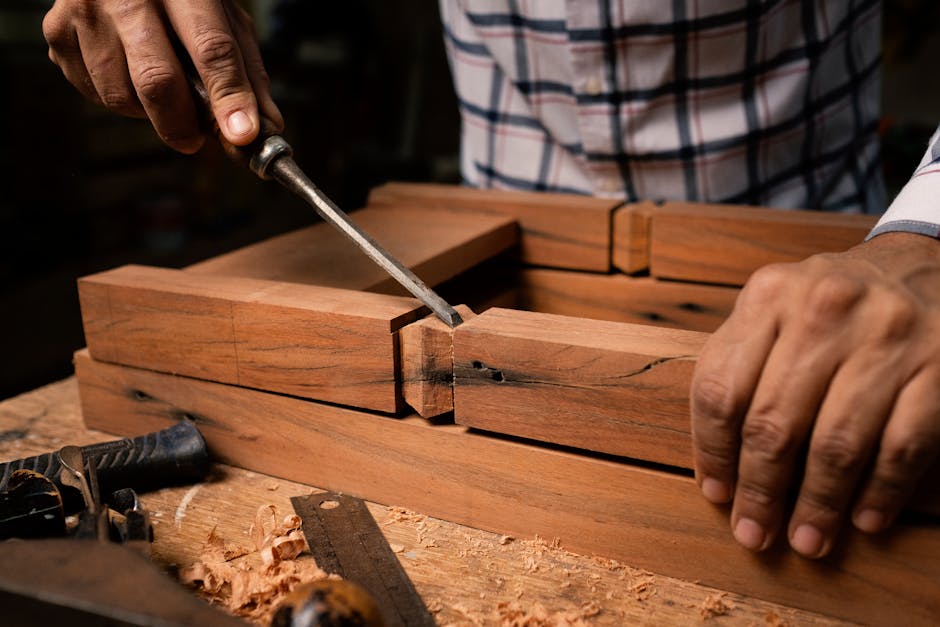
In an age where mass production dominates, wood artisans stand as guardians of tradition and innovation alike. These skilled individuals transform raw timber into functional art that resonates across cultures and generations.
With hands steeped in centuries-old techniques yet open to modern design sensibilities, wood artisans breathe life into every grain pattern and curve they shape. Their work bridges ancient craftsmanship with contemporary aesthetics.
Origins and Evolution of Wood Artisanry
The history of woodworking stretches back to prehistoric times when early humans first chipped flint tools against wooden stumps. This primal interaction between human ingenuity and natural materials laid the foundation for millennia of artisanal development.
Civilizations from Mesopotamia to Ming China cultivated distinct woodworking traditions that reflected their cultural values and technological advancements. The Roman Empire’s use of lathe-turned furniture demonstrated remarkable precision for its era.
During the European Renaissance, cabinetmakers emerged as respected professionals whose intricate joinery surpassed mere utility. They created ornate carvings that adorned palaces and cathedrals across Europe.
- Egyptian tomb furniture: Discovered artifacts reveal complex mortise-and-tenon joints used over 4,000 years ago
- Viking longhouses: Carved wooden panels often featured Norse mythology motifs and runic inscriptions
- Japanese kumiko technique: A paper-thin lattice method dating back to Heian period (794-1185) still practiced today
The Industrial Revolution brought both challenges and opportunities. While mechanization threatened traditional methods, it also enabled new forms of expression through steam-powered machinery and synthetic finishes.
Modern wood artisans navigate this paradox by embracing technology while preserving handcrafted authenticity. CNC routers allow precise shaping but require human oversight for artistic nuance.
Essential Techniques in Contemporary Woodworking
Today’s master craftsmen employ a diverse toolkit blending ancestral wisdom with cutting-edge equipment. Hand planes remain essential alongside computer-controlled machines for complex projects.
Joinery remains a cornerstone skill, with dovetail joints considered the gold standard for strength and beauty. Traditional paring chisels are still preferred by many artisans despite modern alternatives.
Carving techniques range from simple relief work to full three-dimensional sculpture. Chisel sets vary widely depending on the type of carving being executed.
Making custom furniture requires understanding structural integrity principles. Proper weight distribution ensures longevity without compromising aesthetic appeal.
Finishing processes have evolved dramatically, with eco-friendly options gaining popularity among conscious creators. Natural oils and waxes provide protection while enhancing wood’s inherent character.
Some artisans specialize in restoration, breathing new life into antique pieces using historically accurate methods. This preserves heritage while creating unique works.
The Artistic Vision Behind Wooden Creations
A true wood artisan sees potential beyond the surface. They study grain patterns, knots, and color variations to determine optimal usage within their designs.
This intuitive approach allows them to create pieces that harmonize form and function. A curved chairback might follow the natural sweep of a tree limb rather than forcing straight lines.
Color plays a crucial role in woodworking. Some artisans prefer the rich patina of aged wood, while others enhance hues through staining techniques.
Sustainability has become central to modern practice. Responsible sourcing ensures future availability of rare woods while supporting ethical forestry practices.
Many contemporary artisans incorporate mixed media elements, combining wood with metals, glass, or ceramics for striking visual contrasts.
The Business Side of Wood Artistry
Running a successful workshop demands business acumen alongside technical skills. Pricing strategies must balance fair compensation with market realities.
Marketing presents unique challenges for handmade goods. Social media platforms offer visibility but require consistent engagement and quality content creation.
Online sales have expanded reach significantly, though shipping delicate items poses logistical hurdles. Custom orders often require upfront payments and clear communication.
Workshop management involves careful scheduling of time-intensive projects. Deadlines need flexibility to accommodate unexpected complications during crafting.
Insurance is vital given the value of specialized tools and finished products. Liability coverage protects against accidents involving clients or visitors.
Educating New Generations of Woodworkers
Apprenticeship programs continue to be invaluable training grounds. Experienced mentors pass down not only technical knowledge but also the philosophy behind each craft.
Community workshops democratize access to woodworking education. Many cities host weekly classes ranging from basic tool safety to advanced joinery techniques.
Digital resources complement hands-on learning. Online tutorials demonstrate complex procedures that might otherwise take years to master.
Colleges increasingly recognize the importance of manual trades. Degrees in fine woodworking combine theory with practical experience under professional supervision.
Certification programs validate competency levels, giving aspiring artisans credibility when seeking employment or commissions.
Preservation Efforts and Cultural Significance
Traditional woodworking techniques face extinction due to declining practitioners. Conservationists work tirelessly to document these vanishing arts before they disappear.
Museums play a critical role in preservation through exhibitions that showcase historical significance and ongoing relevance. Interactive displays let visitors experience various techniques firsthand.
Festivals celebrating regional styles help maintain cultural identity while educating younger audiences. Demonstrations highlight how techniques differ based on geographic location and available materials.
Government grants support apprenticeships and research initiatives focused on endangered crafts. These funds enable documentation projects and mentorship programs.
International collaborations foster cross-cultural exchange, allowing different traditions to influence one another while maintaining individual identities.
Future Trends in Wood Artisanry
Trends indicate growing demand for sustainable practices. Consumers increasingly seek ethically sourced materials and environmentally friendly finishing solutions.
Advances in biotechnology may soon revolutionize the field. Lab-grown wood could reduce pressure on natural forests while offering identical characteristics to traditional lumber.
Smart materials integrated into furniture promise adaptive functionality. Temperature-sensitive coatings might change appearance based on ambient conditions.
Augmented reality applications allow virtual try-ons before purchasing physical pieces. This helps customers visualize how a bespoke item would fit into their space.
The rise of home-based studios suggests changing dynamics in the industry. More artisans choose independent paths rather than working within larger manufacturing setups.
Conclusion
Wood artisans embody the perfect synthesis of nature and human creativity. Their work continues to evolve while honoring deep-rooted traditions passed down through generations.
For those considering entering this field, mastering fundamentals through structured learning remains essential. Combining passion with professionalism opens doors to meaningful artistic expression and livelihood.