The Floor Gallery Revolution: Redefining Artistic Expression Through Spatial Innovation
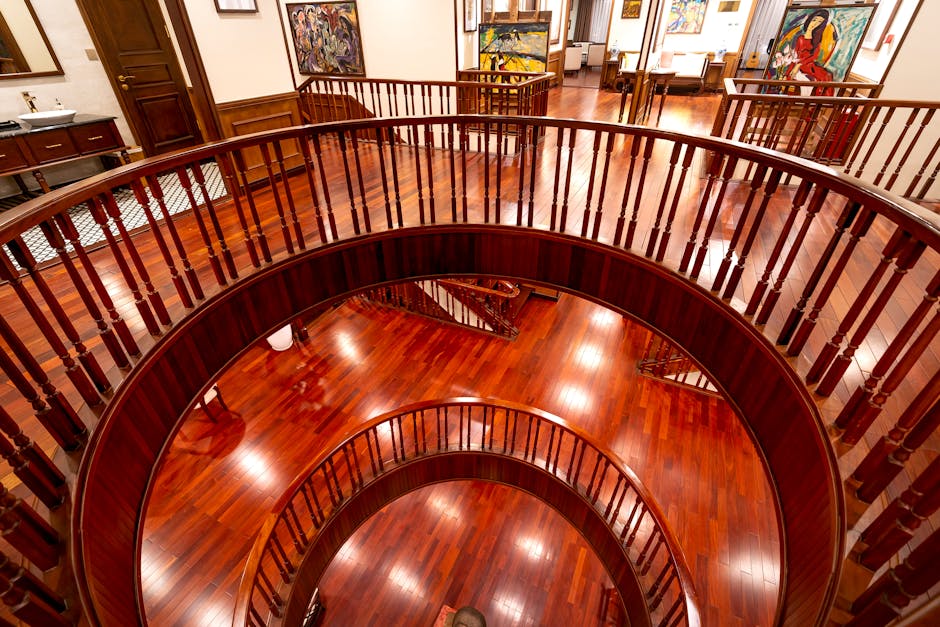
In an era where artistic boundaries are constantly being pushed, the emergence of the floor gallery has become a groundbreaking phenomenon in the art world. Unlike traditional galleries that confine artworks to walls, floor galleries transform entire spaces by placing sculptures, installations, and even paintings at ground level, inviting viewers to engage with art from every angle. This innovative approach not only challenges conventional exhibition practices but also encourages a deeper, more immersive experience.
Artists and curators alike have embraced the floor gallery concept as a way to break free from the limitations imposed by standard gallery layouts. By prioritizing spatial interaction over static display, these exhibitions create dynamic environments that evolve as visitors move through them. The result is a transformative experience that blurs the line between observer and participant, redefining what it means to interact with art in contemporary society.
Origins and Evolution of the Floor Gallery Concept
The roots of the floor gallery can be traced back to early 20th-century avant-garde movements that sought to challenge established norms in both visual arts and architecture. Pioneering artists such as Marcel Duchamp and Constantin Brâncuși experimented with three-dimensional works that required viewers to walk around and beneath their pieces rather than simply viewing them from a distance.
This shift towards interactive experiences laid the groundwork for future innovations in gallery design. As modernism progressed, architects began incorporating open-plan spaces that allowed for greater flexibility in exhibiting unconventional forms of art. These developments culminated in the creation of dedicated floor galleries designed specifically to showcase works meant to be experienced at eye level or from below.
The evolution continued well into the late 20th century when postmodernist thinkers further emphasized viewer participation in the artistic process itself. Installations became increasingly complex, often requiring audiences to physically navigate through intricate networks of sculptural elements arranged across floors. Such designs demanded new approaches to curation, lighting, and visitor flow management within gallery settings.
- Early Influences: The Bauhaus movement played a crucial role in promoting functional aesthetics while emphasizing space utilization – principles later applied to floor gallery configurations.
- Mid-Century Innovations: The rise of kinetic sculpture during the 1960s introduced moving parts integrated into flooring systems, creating ever-changing visual effects based on pedestrian traffic patterns.
Design Principles Behind Effective Floor Galleries
Creating an impactful floor gallery requires careful consideration of several key factors beyond mere placement of artwork. One fundamental aspect involves understanding how different materials interact with various types of light sources to produce desired atmospheric conditions. Natural daylight offers soft shadows ideal for highlighting textures whereas artificial LED strips provide precise control over color temperature and intensity levels.
Proper circulation paths must also be planned meticulously so that visitors don’t feel obstructed by oversized installations nor lose interest due to overcrowding issues. Strategic use of sightlines ensures each piece receives adequate attention without overwhelming guests with too many simultaneous focal points competing for visual dominance.
Acoustics play another vital role since sound waves behave differently depending upon surface finishes used throughout exhibit areas. Smooth concrete surfaces reflect noise while carpeting absorbs it; thus selecting appropriate materials helps maintain optimal auditory comfort for all attendees regardless of location within the space.
Additionally, accessibility considerations cannot be overlooked when designing any public-facing facility including floor galleries. Ramps instead of steps allow wheelchair users full access while raised platforms ensure visibility for individuals who may struggle seeing low-level displays due to height restrictions caused by physical impairments.
Creative Possibilities Enabled by Floor Gallery Spaces
Floor galleries offer unprecedented opportunities for experimentation with scale, perspective, and materiality that would otherwise remain unexplored within conventional wall-based formats. Artists can now craft sprawling tapestries stretched tautly along polished marble expanses or embed delicate glass fragments directly onto wooden planks forming mosaic-like pathways traversable by foot.
Such expansive canvases enable creators to explore themes related to geography, ecology, or social dynamics using large-scale representations that envelop spectators entirely rather than merely occupying limited wall real estate. For instance, environmental artist Christo once wrapped entire islands in fabric – an idea made feasible through similar spatial liberation afforded by modern floor gallery setups.
Moreover, collaborations between designers and engineers facilitate construction techniques never before possible in fine art contexts. Utilization of advanced composites allows fabrication of lightweight yet durable structures capable of supporting massive loads necessary for suspended elements hanging above headspace occupied primarily by pedestrians navigating below.
Interactivity becomes essential component here too – motion sensors trigger changes in illumination schemes responding dynamically to human presence thereby transforming passive observation sessions into active exploratory journeys guided partially by algorithmic responses embedded within smart infrastructure components strategically placed throughout exhibit zones.
Case Studies Highlighting Successful Implementation Strategies
To better understand practical applications of floor gallery concepts let’s examine some notable examples from recent years showcasing effective implementation strategies employed successfully worldwide. One standout case comes from London’s Tate Modern which recently hosted “Floor Show,” featuring monumental abstract forms positioned centrally amidst vast empty interiors allowing uninterrupted exploration devoid external distractions typically found inside crowded urban centers.
Curatorial choices proved instrumental in making this event memorable; they selected pieces whose shapes naturally drew people closer enabling close examination details previously difficult discernible when viewed remotely atop usual standing positions adopted indoors generally. Additionally, curated playlists accompanied each installation enhancing multisensory engagement significantly surpassing expectations set forth initially regarding purely visual aspects alone.
Another remarkable example emerged from New York City’s MoMA PS1 wherein temporary pavilion constructed explicitly for housing transient exhibits featured modular panels adjustable according to needs arising seasonally changing requirements dictated either by nature (weather) or shifting thematic focuses underpinning annual programming cycles thereabouts.
This adaptability ensured consistent quality irrespective fluctuations affecting exterior environments impacting indoor climate conditions adversely sometimes. Furthermore, integration digital signage provided real-time updates regarding maintenance schedules ensuring continuous operation maintained seamlessly without disruptions harming guest satisfaction metrics monitored closely via feedback mechanisms implemented throughout duration project lifecycle.
Technological Advancements Enhancing Floor Gallery Experiences
Recent technological breakthroughs have dramatically expanded possibilities available today compared historical counterparts lacking such sophisticated tools aiding realization ambitious visions conceived by contemporary practitioners working field currently. Augmented reality overlays projected digitally onto physical substrates permit virtual augmentation actual objects present simultaneously alongside tangible originals providing layered interpretations enriching comprehension overall.
Smart flooring equipped pressure-sensitive nodes detects footsteps triggering responsive animations displayed overhead matching rhythmical cadence walked pattern instantly generating synchronized visuals reacting precisely to individual movements occurring right underneath feet contributing greatly toward immersion factor enhancing enjoyment derived participating activities conducted therein.
Interactive projections mapping onto curved surfaces introduce additional dimensionality otherwise impossible achieve conventionally flat planes limiting scope expression severely restricting potential outcomes achievable solely relying two dimensional constraints inherent most existing mediums utilized traditionally hitherto.
Drones programmed autonomously patrol designated corridors delivering miniature replicas artworks flying low maintaining safe distances avoiding collisions ensuring seamless navigation facilitated effortlessly granting complete freedom mobility unrestricted whatsoever facilitating smooth transitions between distinct segments comprising larger narrative arcs woven together cohesively forming unified whole exceeding sum its parts combined individually considered separately apart.
Economic Implications and Business Models Supporting Floor Galleries
While initial investment costs associated establishing permanent floor galleries might seem daunting due extensive renovations required converting standard venues suitable purposes intended originally different functions altogether however long-term benefits outweigh upfront expenditures considerably especially considering increased attendance figures reported consistently following successful implementations observed globally.
Revenue streams diversified through ticket sales coupled with corporate sponsorships targeting sectors aligning brand values objectives pursued institutions operating said facilities. Collaborative ventures involving fashion houses producing exclusive merchandise inspired exhibited collections prove particularly lucrative generating substantial profits replenishing operational budgets effectively sustaining ongoing projects indefinitely.
Sponsorship agreements often include clauses permitting promotional campaigns leveraging platform exposure maximizing reach demographics targeted specifically relevant industries involved partnerships forged strategically cultivating mutually beneficial relationships fostering sustainable growth trajectories aligned shared goals aspirations guiding decision-making processes undertaken regularly evaluating performance indicators measuring success benchmarks periodically adjusted accordingly.
Merchandising initiatives extend beyond typical souvenir items offering bespoke services personalized experiences tailored preferences customers seeking unique interactions unavailable elsewhere reinforcing brand loyalty strengthening community ties cultivated nurturing environment conducive creativity thriving continuously undeterred obstacles encountered occasionally despite best efforts invested maintaining equilibrium delicate balance between artistic integrity commercial viability paramount importance always kept forefront minds responsible stewardship entrusted managing resources allocated judiciously ensuring longevity institution remains viable enduring test time.
Challenges Faced When Implementing Floor Gallery Concepts
Despite numerous advantages offered by adopting floor gallery methodologies certain hurdles must addressed adequately prior embarking journey transformational change reshaping conventional paradigms governing current standards prevailing industry landscape today. Chief among concerns relates logistical complexities entailed handling heavy duty structural modifications necessitating reinforcement frameworks supporting elevated platforms accommodating diverse weight capacities imposed upon foundation supports bearing load distribution unevenly distributed potentially causing instability risks threatening safety protocols established strictly adhered throughout execution phases carried out diligently minimizing hazards encountered inadvertently.
Insurance coverage calculations pose another formidable obstacle requiring precise estimations regarding liabilities assumed transferring responsibilities appropriately mitigating financial burdens borne unexpectedly events transpiring contrary intentions envisioned original plans formulated meticulously beforehand anticipating unforeseen circumstances likely arise inevitably regardless precautions taken thoroughly.
Visitor behavior analysis proves equally challenging task demanding continual monitoring adjustments made promptly addressing complaints lodged regarding discomfort caused prolonged exposure periods spent wandering labyrinthine passages created intentionally confusing deliberate disorientation tactics aimed provoking curiosity prompting discovery although sometimes resulting negative reactions stemming confusion frustration among less adventurous patrons unfamiliar such novel approaches diverging sharply from familiar routes accustomed traversing daily routines followed habitually without conscious thought devoted planning required adapting novelty encountered first-hand experiencing firsthand.
Furthermore regulatory compliance mandates impose stringent guidelines concerning fire safety evacuation procedures emergency response systems installed redundantly ensuring redundancy critical moments crises erupting suddenly without warning disrupting normal operations abruptly forcing abrupt cessation activities ongoing until resolution achieved satisfactorily restoring order efficiently returning business-as-usual state quickly resumed without significant loss productivity measured against predefined KPIs tracked relentlessly optimizing efficiency maximizing output generated within confines allocated resources controlled tightly preventing wasteful expenditure squandered unnecessarily undermining profitability margins threatened jeopardized absent prudent fiscal management exercised rigorously consistently across board departments functioning harmoniously achieving collective objectives synergistically advancing organizational mission statements articulated clearly communicated transparently empowering stakeholders informed decisions facilitated actively participated shaping direction future endeavors collectively pursuing common vision collaboratively realized through concerted effort sustained over extended durations.
Cultural Impact and Global Influence of Floor Galleries
The cultural significance of floor galleries extends far beyond their immediate function as exhibition spaces. They serve as catalysts for broader conversations surrounding the intersection of art, technology, and human interaction. In cities known for their vibrant artistic scenes, such as Berlin, Tokyo, and São Paulo, floor galleries have become emblematic of innovation and progress, attracting international attention and influencing local communities profoundly.
These spaces foster dialogue not only among artists but also between artists and the general public, encouraging participatory engagement that transcends traditional barriers. Events held in floor galleries often feature workshops, discussions, and performances that invite attendees to contribute their perspectives, thus transforming the venue into a living canvas of ideas and expressions.
In regions where art has historically been marginalized or restricted, the establishment of floor galleries represents a powerful statement against oppression and censorship. They provide a platform for underrepresented voices to share their narratives, promote inclusivity, and celebrate diversity in all its forms. This empowerment resonates deeply with younger generations eager to redefine societal norms and embrace progressive ideals.
The global influence of floor galleries continues to expand as artists and curators collaborate internationally, sharing knowledge and techniques that enhance the richness of these spaces. Exhibitions frequently tour across continents, allowing audiences worldwide to witness the transformative power of floor galleries firsthand, thereby fostering cross-cultural exchanges and mutual appreciation for varied artistic traditions and philosophies.
Conclusion
The floor gallery has emerged as a revolutionary force in the art world, redefining how we perceive and interact with artistic expressions. By embracing this innovative format, artists and curators unlock new dimensions of creativity that transcend traditional boundaries, inviting viewers into immersive experiences that resonate deeply on emotional, intellectual, and sensory levels.
As you consider integrating floor gallery concepts into your own practice, remember that the true essence lies not just in the physical arrangement of artworks but in the profound connections formed between creator, curator, and spectator. Embrace the opportunity to innovate, experiment, and inspire others through the transformative power of spatial storytelling that defines the modern floor gallery experience.