The Essential Role of Professional Installation Services in Contemporary Art Projects
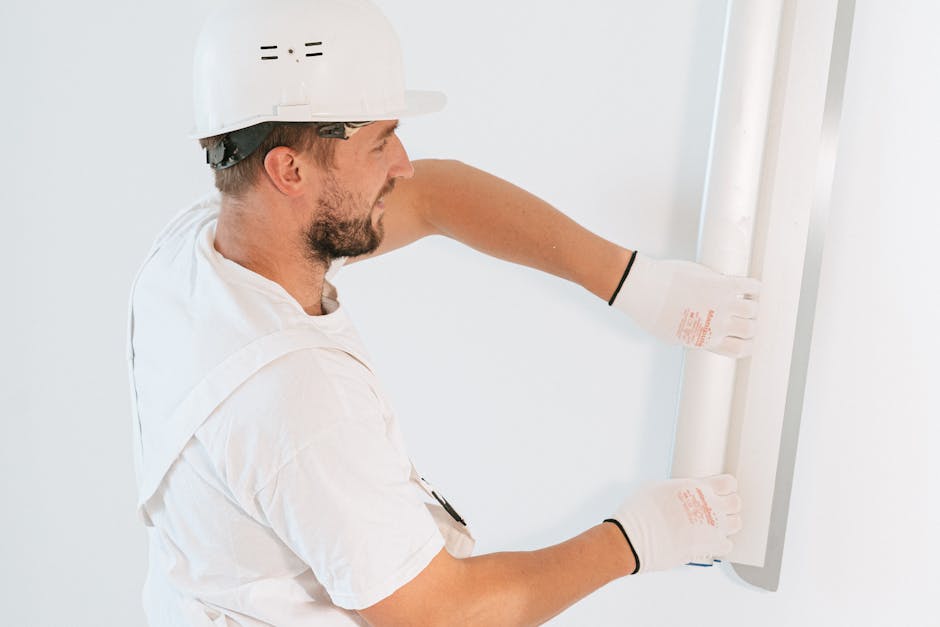
In today’s dynamic art world, where installations often push the boundaries of traditional mediums, professional installation services have become indispensable. These specialized teams ensure that every element of an artwork is executed with precision and safety.
For artists working on complex multimedia pieces or immersive environments, partnering with experienced installers can make the difference between a successful exhibition and potential disaster. This guide explores why these services are crucial for modern artistic expression.
Understanding the Scope of Modern Art Installations
Contemporary art installations encompass a wide range of formats that challenge conventional perceptions of space and material. From interactive sculptures to site-specific works, each project requires careful planning and execution.
Artists frequently incorporate unconventional materials such as kinetic elements, digital projections, or environmental components into their work. These additions significantly increase both complexity and risk during installation processes.
A typical installation might involve suspending delicate glass structures from high ceilings or integrating sensitive electronic systems within architectural spaces. Such tasks demand technical expertise beyond what most creators possess.
Professional installers bring not only skill but also critical insight regarding structural limitations and safety protocols. Their experience helps prevent costly mistakes that could damage priceless artworks.
Many contemporary installations require precise alignment and calibration of various components. Even minor miscalculations can disrupt the intended aesthetic or functional aspects of an artwork.
- Structural Integrity: Ensuring load-bearing calculations match design specifications
- Safety Protocols: Implementing fall protection measures for elevated installations
- Environmental Considerations: Accounting for temperature/humidity effects on fragile media
As technology advances, so do the requirements for installation services. Artists now regularly collaborate with experts who understand cutting-edge fabrication techniques and digital integration methods.
This evolving landscape underscores the importance of maintaining strong relationships with reliable installation partners capable of adapting to new challenges.
Evaluating Key Factors When Choosing an Installer
Selecting the right installation team involves considering several critical factors that impact both the quality of the final piece and overall project success.
Experience with similar projects provides invaluable insight into how well a company understands the unique demands of different artistic disciplines. A reputable installer will demonstrate familiarity with diverse media types and spatial configurations.
Reputation matters greatly when choosing an installation partner. Reviews from previous clients, particularly those in the fine arts sector, offer concrete evidence of reliability and professionalism.
Communication skills form another essential criterion. Effective collaboration requires clear exchange of ideas, timely updates, and responsiveness to changes in project scope or timeline.
Licensing and insurance documentation verify that an installation firm operates legally and responsibly. This protects artists from liability issues arising from accidents during setup phases.
Pricing models vary widely among providers. Some charge hourly rates while others use flat fees based on estimated labor hours. Understanding these financial structures ensures transparency throughout the engagement process.
Certifications related to handling hazardous materials or operating heavy machinery add further assurance about an installer’s capabilities. Specialized training enables safe manipulation of potentially dangerous elements.
Availability of equipment represents yet another practical consideration. The best installation companies maintain up-to-date tools necessary for executing intricate designs without compromising timelines.
An ideal collaborator should exhibit genuine enthusiasm for the artist’s vision rather than merely viewing themselves as technicians fulfilling contractual obligations.
Preparing Your Project for Successful Installation
Effective preparation lays the foundation for seamless implementation of any art installation. Proper pre-installation planning minimizes risks and maximizes efficiency.
Creating detailed blueprints and diagrams assists installers in visualizing spatial relationships before beginning physical work. Clear documentation reduces misunderstandings that could lead to errors later.
Conducting site visits allows installation crews to assess conditions firsthand. They can identify potential obstacles such as electrical outlets placement or ceiling height restrictions.
Determining access points ahead of time streamlines logistics by ensuring necessary pathways remain unobstructed during setup operations. This foresight prevents delays caused by unexpected barriers.
Establishing communication channels early establishes expectations around reporting progress, addressing concerns, and making adjustments mid-project.
Providing complete material lists ensures nothing gets overlooked during procurement stages. Accurate inventory tracking avoids last-minute shortages disrupting schedules.
Specifying exact mounting instructions clarifies how individual components should be secured according to original design intentions. Deviating from these guidelines may alter the artwork’s integrity.
Anticipating maintenance needs upfront helps schedule regular inspections and servicing for mechanical parts or sensitive electronics incorporated into the piece.
Documenting all decisions through written records creates a reference point for future installations or modifications. This archival approach supports continuity across exhibitions.
Coordinating with venue staff beforehand facilitates smoother transitions between different display locations. Familiarity with building regulations enhances compliance during transportation and assembly phases.
The Technical Expertise Behind Reliable Installations
Skilled installation teams employ advanced techniques tailored specifically to each project’s requirements. Their knowledge extends far beyond basic construction practices.
Proficient installers utilize specialized software for calculating weight distribution across support structures. This computational analysis prevents overloading any single anchor point.
Mechanical engineering principles inform how moving parts interact within fixed frameworks. Precise tolerances must be maintained to avoid friction-induced wear or misalignment issues.
Electrical specialists handle power management solutions for integrated lighting systems or interactive features requiring continuous energy supply.
Acoustic engineers contribute when sound elements play a significant role in the overall experience. They optimize speaker placements to achieve desired auditory effects without distortion.
Material scientists advise on suitable adhesives and fasteners depending on surface type and expected load capacities. Their recommendations enhance longevity while preserving aesthetics.
Fabrication experts assist in creating custom mounts or brackets designed explicitly for particular artworks. These bespoke solutions accommodate unique dimensional constraints.
Structural analysts perform stress tests simulating real-world conditions. Their simulations predict potential failure points long before actual deployment occurs.
Specialized riggers manage complex hoisting operations safely using certified lifting gear. They follow strict procedures to minimize risks associated with overhead installations.
Data analysts track performance metrics from past projects to refine methodologies continuously. This empirical approach improves accuracy and consistency across subsequent engagements.
Beyond Physical Setup: Additional Services Offered
Comprehensive installation services extend beyond mere physical assembly of components. Reputable providers offer value-added functions that enhance overall project outcomes.
Dismantling and reinstallation support ensures artworks can travel between venues without sustaining damage during transport. Careful deconstruction preserves original condition for future displays.
Regular maintenance programs prolong lifespan by identifying deterioration signs early enough for preventive action. Scheduled checkups reduce emergency repair costs down the line.
Emergency response plans prepare crews to address unforeseen situations swiftly. Quick intervention limits disruptions and safeguards investment in the artwork itself.
Documentation assistance captures installation details systematically. Detailed logs aid in troubleshooting problems or replicating setups at other locations accurately.
Training sessions teach handlers how to properly care for exhibited pieces. Educated personnel reduce accidental mishandling incidents significantly.
Insurance coordination simplifies claims processing in case of damages occurring post-installation. Experienced brokers understand nuances relevant to artistic assets.
Logistics planning covers everything from shipping arrangements to customs clearance for international exhibitions. Efficient coordination saves time and money during transit phases.
Venue customization suggestions help adapt artworks appropriately for different spatial contexts. Flexible approaches ensure optimal presentation regardless of location specifics.
Project management oversight keeps timelines on track and budgets under control. Proactive monitoring identifies bottlenecks before they escalate into larger issues.
Case Studies: Real-World Applications of Professional Installation
Examining successful installation projects reveals patterns that distinguish effective implementations from problematic ones. These examples highlight best practices adopted industry-wide.
One notable example involved an outdoor sculpture weighing over twenty tons that required temporary scaffolding and crane assistance for positioning. Experts calculated wind resistance forces to determine secure anchoring strategies.
The team used vibration dampening systems to protect nearby buildings from resonant frequencies generated by the structure’s movement. Continuous monitoring ensured stability even after completion.
For a museum-based interactive exhibit featuring motion sensors and projection mapping, installers devised fail-safe mechanisms preventing system crashes during public viewings. Redundancy built-in minimized downtime interruptions.
Another challenging scenario featured a suspended light installation composed of thousands of individually programmed bulbs. Engineers developed algorithms optimizing electricity consumption without compromising visual effect quality.
The crew implemented modular framework components allowing easy replacement of faulty units without dismantling entire sections. This approach reduced maintenance windows considerably.
In an urban setting with limited vertical space, designers created wall-mounted kinetic art utilizing magnetic levitation technology. Precision engineering enabled smooth operation despite surrounding electromagnetic interference.
Each case demonstrates how multifaceted planning contributes to successful outcomes. Collaboration between artists, engineers, and installers becomes essential for overcoming logistical hurdles creatively.
These experiences reinforce the necessity of thorough preparatory work before initiating any installation endeavor. Anticipation of possible complications leads to better problem-solving opportunities.
By studying such scenarios, emerging artists gain insights into realistic expectations regarding scale, complexity, and resource allocation for ambitious projects.
Trends Shaping Future of Art Installation Services
Ongoing technological advancements continue transforming the field of art installation. Innovations introduce new possibilities while presenting fresh challenges for practitioners.
Advancements in augmented reality create hybrid installations blending physical objects with digital overlays. Installers must now coordinate with developers familiar with AR platform intricacies.
Smart materials incorporating responsive properties allow artworks to change appearance based on environmental stimuli. Managing these adaptive characteristics requires specialized handling techniques.
Modular construction methods facilitate easier disassembly and relocation of large-scale installations. Standardized components streamline transportation processes significantly.
Virtual simulation tools enable testing layouts digitally before committing resources to physical builds. This previsualization capability reduces waste and accelerates decision-making cycles.
AI-driven analytics provide predictive maintenance capabilities identifying component degradation trends preemptively. Early warnings let crews intervene before failures occur unexpectedly.
Drone-assisted inspections offer safer alternatives for assessing hard-to-reach areas of towering installations. Remote diagnostics cut down on risky manual checks substantially.
Blockchain technologies promise enhanced provenance tracking for rare or valuable artworks undergoing frequent movements. Immutable records reassure collectors about authenticity throughout ownership history.
These developments necessitate ongoing education for installation professionals staying current with rapidly changing toolsets and methodologies available today.
Adapting to these shifts positions forward-thinking installers as vital collaborators enabling artists to realize increasingly sophisticated visions without compromising feasibility or safety standards.
Conclusion
Professional installation services serve as the backbone supporting innovative contemporary art expressions worldwide. Their expertise bridges conceptual ideas with tangible realities successfully.
Whether dealing with monumental sculptures or intricate multi-media exhibits, skilled installers transform abstract visions into immersive experiences accessible to broader audiences effectively.
Investing wisely in competent installation partnerships ultimately elevates artistic achievements while minimizing operational risks inherent in large-scale productions.
As the art world continues pushing creative frontiers, the role of expert installation teams remains irreplaceable in bringing visionary works to life precisely as imagined by their creators.