The Artistry of Floor Patterns: Designing Dynamic Spaces Through Surface Design
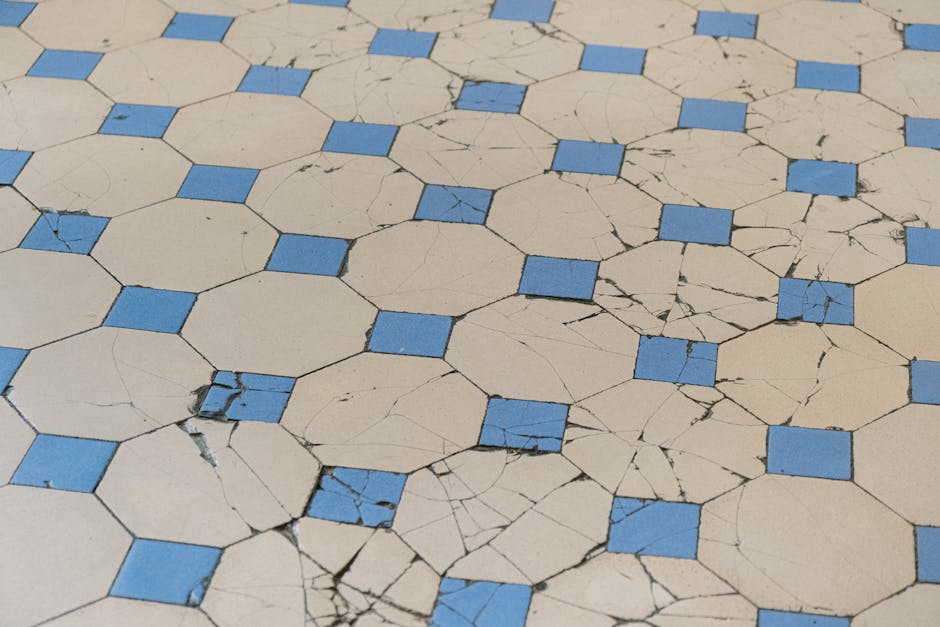
Floor patterns have long been an underappreciated canvas in architectural design, yet their influence can be profound. From ancient mosaics to modern geometric installations, floors are more than mere surfaces—they’re statements of style, culture, and innovation.
In today’s creative landscape, where every surface is an opportunity for expression, understanding the nuances of floor patterns has become essential for designers, architects, and visual artists alike. This exploration delves into how these often-overlooked elements shape our environments and inspire new forms of artistic collaboration.
The Evolution of Floor Pattern Design Across Cultures
Civilizations across millennia have used floor patterns as storytelling tools. Ancient Roman villas featured intricate mosaic floors that depicted mythological scenes, while Persian carpets showcased complex geometric designs passed down through generations.
These early examples reveal how floor patterns served both functional and symbolic purposes. In medieval Europe, stained glass windows were complemented by tile work that told biblical stories without relying on text.
- Cultural symbolism: Many traditional patterns carry deep meaning—like the mandala motifs found in Hindu temples representing cosmic order.
- Technological advancement: The development of printing techniques allowed for mass production of patterned tiles during the Industrial Revolution.
As we move into contemporary times, digital fabrication technologies enable unprecedented complexity in floor patterning. Laser cutting allows for precise replication of ornate Victorian-era woodblock prints at scale.
Modern artists continue to draw inspiration from historical precedents while pushing boundaries through experimental materials and installation-based approaches.
Materials and Techniques That Define Contemporary Floor Patterns
The choice of material profoundly affects both the aesthetics and durability of floor patterns. Natural stone offers timeless beauty but requires careful maintenance, whereas concrete provides limitless customization options when combined with formwork and staining techniques.
Polymer-modified cementitious overlays allow for decorative effects such as exposed aggregate finishes, which mimic natural textures while maintaining structural integrity. These hybrid materials bridge the gap between functionality and artistic ambition.
Emerging Technologies in Material Application
Digital printing technology now enables high-resolution images to be embedded within flooring substrates. This capability opens doors for photorealistic murals that span entire rooms without compromising walkability.
Advances in UV-curable resins have led to the creation of translucent floor panels capable of displaying dynamic light patterns controlled by LED systems—an evolution reminiscent of kinetic art principles applied to spatial design.
Color Theory and Its Impact on Spatial Perception
Selecting appropriate color schemes transforms simple floor patterns into powerful spatial manipulators. Warm tones create inviting atmospheres ideal for hospitality spaces, while cool hues enhance focus in office environments.
Contrast plays a crucial role in defining depth perception. Darker shades recede visually, creating illusions of space expansion, while lighter colors reflect illumination and make areas feel larger.
The strategic placement of accent colors within a pattern can guide movement through a space. For instance, a bold stripe running diagonally might subtly direct foot traffic away from crowded zones toward open seating arrangements.
Understanding chromatic interaction helps avoid overwhelming visitors. A well-balanced palette ensures that the floor complements rather than competes with surrounding decor elements.
Pattern Types and Their Psychological Effects
Geometric patterns evoke structure and precision, making them popular choices for commercial interiors seeking professional ambience. Repeating shapes create optical illusions that alter perceived room dimensions.
Organic patterns, characterized by flowing lines and irregular forms, foster relaxation and biophilic connections. These designs are particularly effective in healthcare settings aiming to reduce patient stress levels.
Abstract compositions offer maximal creative freedom, allowing designers to experiment with non-representational visuals that challenge conventional notions of space and form.
Mixed-media approaches combine different pattern types within single installations, resulting in layered narratives that unfold dynamically as viewers navigate the environment.
Design Principles Governing Effective Floor Patterning
Balancing repetition and variation is key to avoiding monotonous results. Subtle shifts in line thickness or color saturation maintain visual interest without disrupting overall harmony.
Proportion considerations ensure that patterns remain legible at various distances. Large-scale designs risk appearing cluttered up close, while overly fine details may lose impact when viewed from afar.
Hierarchy establishment guides attention flow naturally through a space. Dominant features should be positioned along primary pathways, with secondary elements supporting the central narrative.
Variety introduction prevents visual fatigue by incorporating unexpected elements within established frameworks—such as integrating metallic accents among otherwise organic forms.
Integration Strategies for Architectural Harmony
Synchronizing floor patterns with ceiling treatments creates cohesive vertical continuity. Matching motif orientations enhances spatial coherence, especially in multi-level structures.
Wall-to-floor transitions require thoughtful planning to prevent abrupt changes in texture or color that could disrupt navigational flow. Blending adjacent materials gradually maintains environmental unity.
Lighting conditions significantly affect pattern visibility. Ambient lighting should highlight rather than overpower delicate designs, preserving their intended aesthetic impact.
Acoustic considerations must also factor into pattern selection. Textured surfaces help absorb sound waves effectively, reducing echo problems common in open-plan layouts.
Trends Shaping the Future of Floor Pattern Design
Sustainability concerns are driving demand for eco-friendly materials and circular economy practices within the flooring industry. Recycled aggregates and low-VOC adhesives represent significant progress towards greener solutions.
Smart surface technologies integrate sensors and interactive capabilities into flooring systems. Pressure-sensitive tiles respond to human presence with subtle color changes or lighting cues, transforming static installations into responsive environments.
Modular design philosophies facilitate easy updates and reconfigurations, aligning with contemporary needs for flexible living and working spaces. Interlocking components allow for creative rearrangements without permanent alterations.
Biophilic design principles continue influencing pattern selections, favoring natural references over synthetic abstractions. Incorporating botanical motifs promotes psychological well-being through subconscious associations with nature.
Case Studies: Real-World Applications of Innovative Floor Patterns
A prominent example comes from the Louvre Abu Dhabi museum, where the dome’s perforated pattern is echoed in marble floor inlays beneath its galleries. This intentional mirroring reinforces thematic consistency throughout the visitor experience.
In urban public spaces, cities like Barcelona incorporate street art-inspired floor patterns that engage pedestrians interactively. Mosaic tiles forming recognizable figures encourage spontaneous photo opportunities and social engagement.
Educational institutions increasingly adopt patterned flooring to support learning objectives. Kindergarten classrooms feature bright, stimulating designs that aid cognitive development through sensory stimulation.
Commercial airports implement wayfinding-focused floor patterns using contrasting stripes and directional arrows integrated seamlessly into aesthetic schemes—a practical application of visual hierarchy principles.
Challenges and Considerations in Implementation
Material compatibility issues arise when combining disparate substances within a single pattern composition. Ensuring chemical resistance between sealants and pigments requires thorough testing protocols before final installation.
Maintenance requirements vary widely depending on chosen materials and locations. High-traffic areas necessitate wear-resistant coatings that preserve visual clarity despite constant usage.
Installation complexities increase with pattern intricacy, demanding specialized skills for accurate alignment and seamless joins. Precision becomes critical when replicating historic designs or executing custom commissions.
Cost implications extend beyond initial purchase prices to include ongoing upkeep expenses. Selecting durable, easy-to-clean surfaces proves economically advantageous in long-term planning scenarios.
Collaborative Approaches in Floor Pattern Creation
Interdisciplinary collaborations bring fresh perspectives to traditional craft disciplines. Architects partnering with textile artists produce innovative wall-floors that blur boundaries between interior architecture and soft furnishings.
Digital modeling software facilitates real-time visualization of proposed patterns against actual site conditions. Augmented reality tools let clients preview different options virtually before committing to physical prototypes.
Community involvement enriches local identity through participatory design processes. Public workshops enabling residents to contribute personal motifs foster stronger civic attachment to shared spaces.
Global exchange programs connect emerging talents worldwide, encouraging cross-cultural experimentation that pushes artistic frontiers continually outward.
Conclusion
Floor patterns stand at the intersection of function and creativity, offering endless possibilities for spatial transformation. They serve as silent narrators shaping our experiences of built environments in ways often unnoticed yet deeply impactful.
By embracing both tradition and technological advancements, designers can unlock new dimensions of expression while respecting the fundamental purpose of flooring—to provide stable, beautiful surfaces that elevate every space they inhabit.