The Artistic Alchemy of Timber Stairs in Contemporary Design
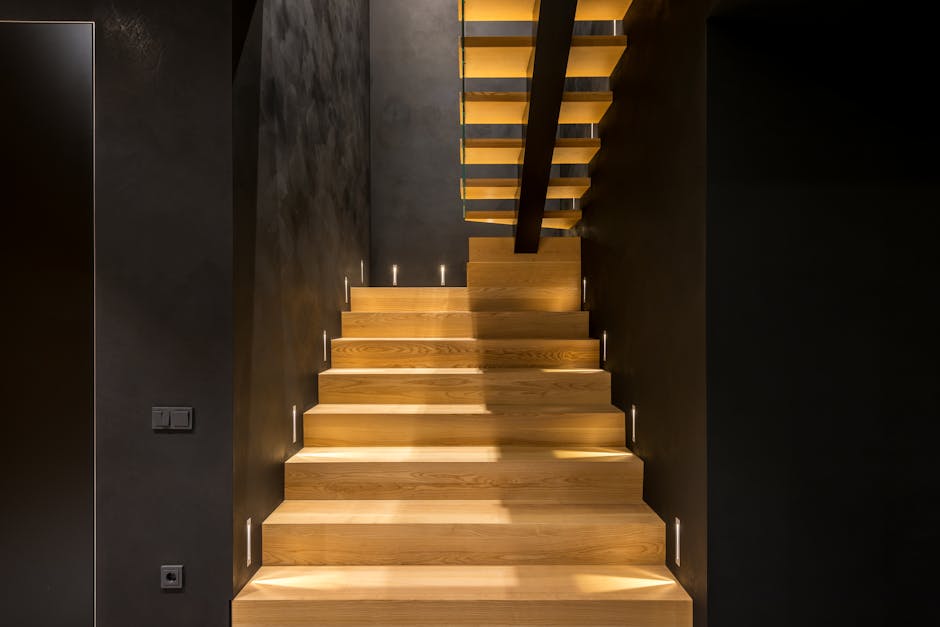
In the realm where creativity meets craftsmanship, timber stairs emerge as masterpieces that transcend their functional purpose. These architectural elements are not merely pathways but canvases for artistic expression.
Crafted from natural wood, each step carries the story of its origin—its grain patterns whispering tales of ancient forests and seasons passed. This duality of utility and artistry makes timber stairs a compelling subject for artists and design enthusiasts alike.
The Evolution of Timber Stairs Through Time
Timber stairs have evolved dramatically since their inception in ancient civilizations. Early examples date back over 6,000 years, found in Egyptian tombs and Mesopotamian structures, serving both practical and symbolic roles within society.
During the Renaissance period, wooden staircases became prominent features in palatial architecture. Elaborate carvings and ornate balustrades reflected societal status while showcasing exceptional woodworking skills.
In modern times, minimalism has redefined timber staircase aesthetics. Clean lines and unadorned surfaces now dominate high-end residential and commercial spaces seeking organic integration with nature.
- Historical Significance: From humble beginnings as simple ladders to grandiose works of art, timber stairs reflect human innovation across millennia.
- Design Transformation: The shift from decorative excess to minimalist elegance demonstrates changing aesthetic priorities in interior design trends.
Material Mastery: Choosing the Right Wood Species
Selecting appropriate wood species is crucial when designing timber stairs. Different hardwoods offer varying levels of durability, aesthetics, and environmental impact based on their growth characteristics.
Oak remains a popular choice due to its strength and distinctive grain pattern. Its ability to withstand heavy foot traffic makes it ideal for public buildings requiring long-lasting solutions.
Teak’s natural oils provide excellent resistance against moisture and decay, making it particularly suitable for coastal regions or areas with high humidity levels.
Environmental Considerations in Material Selection
Sustainable sourcing practices have become increasingly vital in contemporary construction projects. Certifications such as FSC (Forest Stewardship Council) ensure responsible harvesting methods that preserve biodiversity.
A study by the World Resources Institute indicates that sustainably sourced timber reduces carbon emissions by up to 30% compared to non-certified alternatives. This statistic underscores the importance of eco-conscious material choices.
Local wood sources often present superior sustainability benefits through reduced transportation emissions. Supporting regional forestry industries also fosters community economic development.
Ergonomics Meets Aesthetics: Functional Design Principles
Balancing form and function requires careful consideration of ergonomic principles in timber stair design. Proper proportions between riser height and tread depth significantly affect user comfort and safety.
The standard rule-of-thumb suggests maintaining a relationship where twice the rise plus the going equals around 600mm. Adhering to these measurements prevents fatigue during prolonged use.
Curved or spiral designs add visual interest but require precise engineering calculations to maintain structural integrity. These forms challenge traditional building codes while offering unique spatial experiences.
Innovative Techniques in Modern Timber Stair Construction
Advancements in CNC (Computer Numerical Control) machining have revolutionized custom timber stair fabrication. Precision cutting allows for complex geometries previously thought impractical with hand tools alone.
Engineered wood products combine layers of solid wood with adhesive bonding techniques to enhance stability and reduce warping risks associated with single-piece constructions.
Veneering processes enable designers to achieve luxurious finishes at lower costs than using whole slabs of expensive hardwoods. This technique preserves rare species while allowing wider application in mainstream projects.
Trends Shaping the Future of Timber Stairs
Current design trends emphasize biophilic elements that foster connections between indoor environments and nature. Timber stairs naturally contribute to this movement through their warmth and textural qualities.
Smart home integrations are beginning to influence staircase design considerations. Motion sensors embedded within treads could potentially activate lighting systems automatically upon detection of movement.
Modular construction approaches allow for easier installation and future modifications. Prefabricated components shipped flat-packed simplify logistics while reducing onsite disruption during renovations.
Case Studies: Iconic Examples Around the Globe
Prioritizing global perspectives enriches our understanding of how different cultures approach timber staircase design. Notable examples include Japan’s shoji-style ladders used in traditional homes and Europe’s intricately carved stone-clad wooden steps found in historic castles.
Modern interpretations continue pushing boundaries; the spiraling oak staircase at London’s Tate Modern museum exemplifies bold architectural statements achievable through innovative joinery techniques.
Urban developments incorporating green spaces benefit immensely from vertical connectivity provided by well-designed timber staircases. Projects like Singapore’s Gardens by the Bay utilize wooden walkways to guide visitors seamlessly through multi-level ecosystems.
Maintaining Beauty Over Time: Care and Preservation Tips
Proper maintenance ensures timber stairs retain their beauty and functionality for generations. Regular cleaning removes debris buildup that might lead to premature wear or damage.
Applying protective coatings every few years helps shield against UV exposure which causes fading and surface degradation over time. Natural waxes and oils restore shine without compromising authenticity.
Addressing minor damages promptly prevents them from escalating into costly repairs later on. Quick fixes like touch-up stains or localized sanding maintain overall consistency in appearance.
Conclusion
Timber stairs represent the perfect fusion of history, craftsmanship, and sustainable living. Their evolution mirrors shifting cultural values and technological advancements shaping modern interiors.
For artists and creatives seeking inspiration, exploring the world of timber stairs offers endless possibilities—from studying historical precedents to experimenting with cutting-edge materials and techniques.