The Alchemy of Design: Transforming Spaces Through Floor Patterns
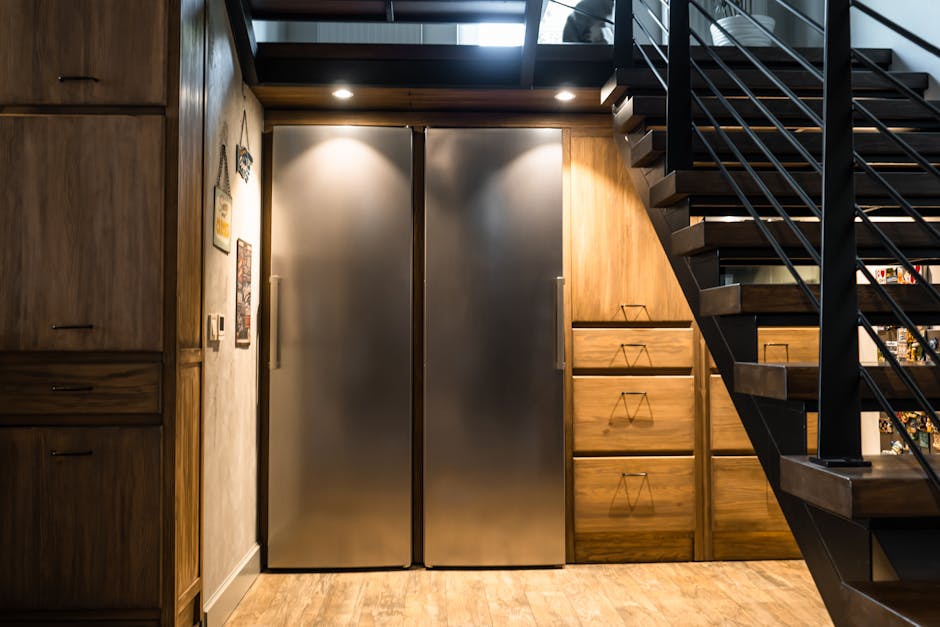
Floor patterns are far more than mere decoration; they are the silent architects of spatial experience. From ancient mosaics to contemporary digital prints, these intricate designs have shaped human environments across cultures and eras.
In an age where creativity is both currency and calling card, understanding floor patterns becomes essential for designers seeking to leave indelible marks in their work. This exploration delves deep into the artistry behind flooring choices.
The Historical Tapestry of Flooring Designs
Civilizations from Mesopotamia to Mayan societies employed geometric motifs as early forms of artistic expression on floors. These patterns often carried symbolic meanings tied to religious beliefs or social status.
Egyptian tomb murals depict elaborate tile arrangements that suggest advanced knowledge of symmetry and repetition long before formal design principles were codified. Such historical precedence underscores the enduring power of visual rhythm in architecture.
Moorish influences introduced arabesque designs to European architecture through Andalusian innovations during medieval times. The interplay between straight lines and curvilinear elements created mesmerizing optical effects still studied today.
Venetian artisans refined marble tiling techniques during Renaissance periods, developing complex tessellations that blended mathematical precision with aesthetic beauty. Their legacy lives on in modern luxury interior design practices.
Material Mastery: Choosing the Right Substrate
Selecting appropriate materials forms the foundation upon which any successful floor pattern rests. Different substrates offer distinct advantages based on function, aesthetics, and environmental impact.
Natural stone tiles provide unmatched durability while allowing for centuries-old craftsmanship traditions to be preserved in contemporary applications. Marble’s veining adds organic uniqueness to each installation.
Laminated wood offers versatility without compromising authenticity. Engineered hardwood planks can mimic exotic species at fraction of cost while maintaining structural integrity under various conditions.
- Hardwood: Ideal for residential spaces due to warmth and ease of maintenance
- Ceramic: Perfect for high traffic commercial areas requiring slip resistance features
- Carpet: Offers acoustic benefits but requires regular upkeep to maintain appearance
Concrete slabs provide industrial chic appeal when polished properly. Their raw texture allows for innovative staining techniques that create abstract expressions on vast surfaces.
Design Principles Behind Effective Floor Pattern Selection
Successful floor pattern integration relies heavily on fundamental design theories. Understanding proportion, scale, balance, and contrast ensures harmonious results rather than chaotic clashes.
Color theory plays crucial role in determining how different hues interact within given space. Warm tones expand perception of room size whereas cooler shades tend to contract spatial dimensions.
Repetition creates order while variation introduces interest. Strategic placement of repeating units maintains visual coherence without becoming monotonous.
Contrast enhances definition by creating clear boundaries between elements. High contrast combinations draw attention to specific areas while low contrast promotes seamless flow throughout environment.
Modern Innovations Reshaping Traditional Concepts
Digital printing technology has revolutionized accessibility to custom floor patterns. Architects now enjoy unprecedented freedom to experiment with bold colors and unconventional shapes previously limited by manufacturing constraints.
Smart flooring systems integrate LED lighting beneath surface layers, enabling dynamic illumination changes according to time of day or user preference. This fusion of form and function redefines possibilities for interactive interiors.
Recycled material composites allow sustainable options without sacrificing style. Crushed glass aggregates mixed with resin produce stunning iridescent finishes suitable for both indoor and outdoor applications.
Biomimetic designs inspired by natural structures add biological complexity to otherwise flat planes. Micro-patterns mimicking leaf veins or cellular networks introduce subtle depth that transforms ordinary floors into living canvases.
The Psychological Impact of Visual Rhythm on Spatial Perception
Visual rhythm affects mood regulation through subconscious associations formed over lifetime experiences. Regularly spaced patterns induce calmness while irregular formations stimulate curiosity and engagement.
Studies show environments featuring consistent rhythmic elements promote mental clarity and reduce stress levels compared to randomly arranged layouts. This makes them particularly effective for healthcare facilities and educational institutions.
Dynamic patterns incorporating movement illusions challenge perceptual expectations, making spaces feel larger or smaller depending on viewer perspective. Such manipulations enhance architectural storytelling capabilities.
Psychoacoustic research indicates certain geometric configurations influence sound behavior within rooms. Triangular arrangements may alter echo characteristics differently than square grids placed identically elsewhere.
Case Studies: Iconic Floor Pattern Applications Around the World
The Louvre Pyramid in Paris demonstrates masterful use of reflective materials combined with precise angular geometry. Its glass panels create illusion of infinite continuation beneath visitor pathways.
Taj Mahal’s marble inlay work showcases Mughal-era mastery of floral motif arrangement. Each petal positioned with mathematical accuracy contributes to overall harmony despite apparent randomness.
MoMA’s atrium employs modular ceramic tiles forming continuous wave-like sequences along walls and floors. This cohesive approach unifies diverse exhibition spaces into single narrative thread.
Seymour’s House in London uses terrazzo flooring featuring embedded objects reflecting owner’s eclectic tastes. Every fragment tells story contributing to cumulative effect greater than sum individual parts.
Craftsmanship Techniques Across Cultures
Traditional Japanese tatami mat weaving involves meticulous hand-binding of rush grass fibers around wooden frames. The resulting textured surface provides cushioning alongside visual continuity between rooms.
Iranian Kashi Tilework utilizes cobalt blue glazes fired at extremely high temperatures producing vibrant yet durable coloration resistant to fading over decades.
Italian mosaic-making preserves Roman methods using tiny colored glass pieces set in cement beds. Skilled artisans arrange thousands of tesserae daily to complete even modest projects.
Chinese zaojing (wooden lattice) screens employ interlocking joints to form intricate negative space patterns that shift shadows dynamically throughout daylight hours.
Future Trends Shaping Next Generation Floor Artistry
Biodegradable polymers infused with reactive pigments respond to temperature fluctuations changing hue accordingly. This thermochromatic quality enables floors that literally tell stories through seasonal transformations.
Self-repairing concrete incorporates microcapsules containing healing agents that activate upon crack formation restoring original condition automatically without human intervention.
Holographic films applied directly onto subfloors generate three-dimensional images visible from multiple angles simultaneously. This breakthrough promises new dimensions for immersive installations.
Quantum dot technologies enable ultra-thin coatings capable of displaying full-color video projections on horizontal surfaces transforming entire buildings into giant screens with minimal energy consumption.
Conclusion
Floor patterns serve as powerful tools for shaping human interaction with physical spaces. They bridge past traditions with future innovations continuously evolving alongside societal needs and technological advancements.
As we stand at intersection of heritage preservation and forward-thinking design, embracing floor patterns means acknowledging our shared history while boldly charting course toward tomorrow’s creative frontiers.