The Alchemy of Design: Mastering Floor Patterns in Contemporary Art Spaces
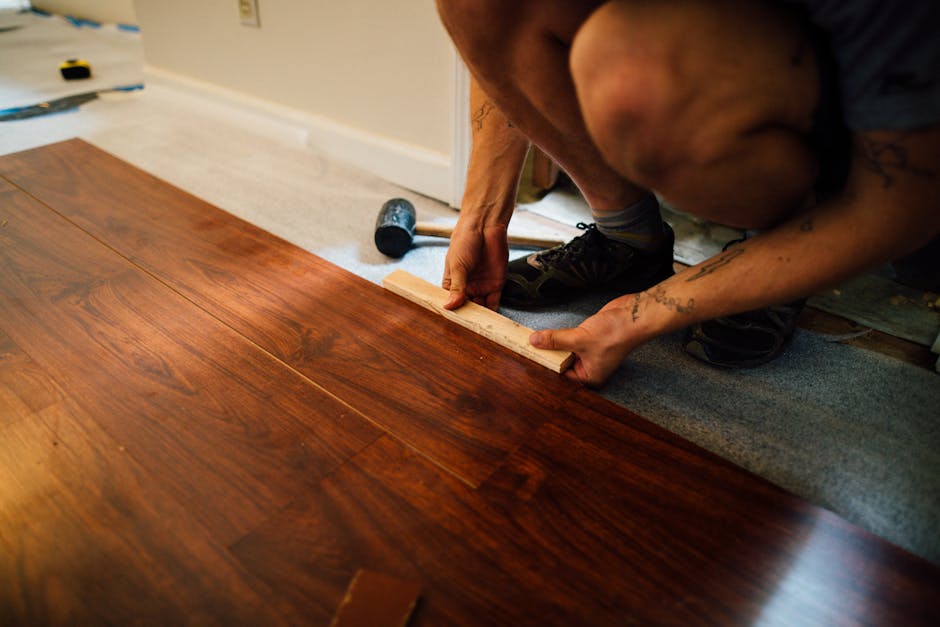
In an era where spatial aesthetics have evolved beyond mere functionality to become profound artistic statements, the role of floor patterns has transcended traditional boundaries. Artists and designers now view flooring as a dynamic canvas that can transform any space from mundane to mesmerizing.
This exploration delves into the intricate world of floor pattern design, revealing how strategic choices in texture, color, and layout can elevate architectural environments while serving as silent yet powerful narrative elements within contemporary art spaces.
The Evolutionary Tapestry of Floor Pattern History
Floor patterns have woven their way through human history, reflecting cultural narratives across civilizations. From ancient Mesopotamian mosaics adorning temple floors to the geometric precision of Islamic tilework, these designs have always been imbued with symbolic meaning.
Medieval European churches showcased intricate stone patterns that guided pilgrims’ spiritual journeys, while Japanese tatami mat arrangements emphasized harmony with nature’s rhythms. Each era’s innovations laid the groundwork for modern interpretations in today’s artistic landscapes.
The Industrial Revolution marked a pivotal shift when mass production techniques enabled widespread use of decorative tiles and carpets. This democratization of beauty allowed even modest homes to feature elaborate floor designs once reserved for palatial estates.
As we entered the digital age, technology has redefined possibilities – laser cutting enables micro-patterned concrete slabs, 3D printing creates organic forms, and augmented reality allows interactive floor experiences that respond dynamically to user movement.
- Cultural Significance: Traditional motifs often carry ancestral meanings; for example, Celtic knots symbolize eternal life cycles while Persian arabesques represent cosmic order.
- Material Innovations: Modern materials like polished quartz composite offer durability without compromising aesthetic complexity, making them ideal for high-traffic art galleries.
Redefining Spatial Dynamics Through Pattern Language
In contemporary art installations, floor patterns serve dual purposes – they provide structural guidance while simultaneously acting as visual metaphors. A spiral motif might suggest movement towards enlightenment, whereas intersecting lines could imply the convergence of different perspectives.
Artists employ pattern language strategically to manipulate perception. Diagonal lines create illusions of depth, contrasting colors can make a room feel larger or smaller, and repetitive shapes generate rhythmic visual flow that influences emotional responses.
Consider the work of Olafur Eliasson whose immersive installations utilize patterned surfaces not merely for decoration but as active participants in the viewer’s sensory experience. His ‘Rainbow Walk’ features chromatic tiles that alter light reflection based on angle and time of day.
Pattern density also plays a crucial role in spatial psychology. High-density patterns can evoke intimacy by creating visual warmth, while sparse layouts promote openness and clarity – essential considerations when designing exhibition spaces.
Color Theory Meets Flooring Innovation
Selecting appropriate color palettes for floor patterns requires understanding both psychological impact and material properties. Warm tones like terracotta and ochre stimulate energy and creativity, aligning well with collaborative studio environments.
Cool hues such as slate grey and deep blue foster calmness and contemplation, making them suitable for meditation rooms or private artist studios. However, color choice must balance aesthetic goals with practical factors like stain resistance and slipperiness underfoot.
Recent advancements allow for custom pigment formulations that maintain vibrancy over time. For instance, nano-coated ceramics preserve bold colors without fading, ensuring artworks remain visually impactful long-term.
Gradient transitions between colors create optical illusions that challenge spatial perceptions. A slow fade from dark charcoal to pale beige along a corridor can subtly guide visitors through an exhibit path.
- Psychological Impact: Red enhances alertness but may increase anxiety levels, while green promotes relaxation and is particularly effective in healing environments.
- Sustainability Considerations: Natural pigments derived from minerals are gaining popularity due to their eco-friendly properties and ability to complement biophilic design principles.
Texture as Visual Narrative in Floor Design
Beyond visual appeal, tactile qualities of flooring contribute significantly to experiential storytelling. Rough-hewn wooden planks contrast sharply with smooth marble tiles, each surface conveying distinct narratives about craftsmanship and origin.
Tactile diversity becomes especially potent in mixed-media installations where viewers can physically engage with the artwork. Textured floors invite interaction rather than passive observation, transforming spaces into participatory experiences.
Modern fabrication techniques enable precise control over surface characteristics. CNC machining allows creation of complex topographies on concrete, replicating natural landscapes at microscopic scales.
In therapeutic settings, textured flooring helps individuals with sensory processing disorders develop better proprioception skills through controlled physical engagement with the environment.
- Surface Contrast: Combining glossy and matte finishes within the same pattern introduces dimensionality, directing visual attention to specific areas of interest.
- Eco-Friendly Materials: Recycled rubber composites offer durable textures with minimal environmental footprint, perfect for sustainable gallery installations.
Mixed Media Mastery: Blending Surfaces and Materials
Contemporary floor design thrives on hybrid approaches that merge disparate materials into cohesive compositions. Mosaic tiling interwoven with raw concrete exemplifies this synergy, where the rigidity of structure meets the fluidity of artistic expression.
Layering techniques add depth to flat surfaces. Applying translucent resin over embedded objects creates ethereal effects reminiscent of stained glass windows but adapted for horizontal planes.
Artist Anish Kapoor employs this principle in his public installations, using mirrored surfaces juxtaposed against rougher substrates to explore themes of identity and perception. Such contrasts provoke introspection about our relationship with physical space.
When integrating mixed media elements, careful consideration must be given to maintenance requirements. Some combinations require specialized cleaning protocols to prevent degradation over time.
- Structural Integrity: Ensuring compatibility between joined materials prevents cracking or warping due to differential expansion rates.
- Aesthetic Balance: Maintaining proportion and rhythm among varied components ensures visual coherence rather than chaotic disarray.
Geometric Precision vs Organic Flow: Finding Equilibrium
The tension between rigid geometry and freeform organicism defines many avant-garde floor projects. Strictly symmetrical grids convey orderliness and stability, while curvilinear forms evoke spontaneity and motion.
Architects like Zaha Hadid demonstrate mastery in balancing these forces, creating undulating floor patterns that seem to defy conventional spatial constraints yet maintain mathematical integrity beneath their flowing exteriors.
Parametric design software enables experimentation with hybrid forms that blend algorithmically generated geometries with biomorphic curves. These tools empower creators to visualize complex relationships between shape and function before implementation.
Such equilibrium is critical in multi-functional spaces where diverse activities occur simultaneously. Too much randomness disrupts usability, while excessive rigidity stifles creative potential.
- Mathematical Foundations: Golden ratio applications ensure pleasing proportions without overwhelming the eye with symmetry.
- Nature-Inspired Forms: Fractal patterns found in leaves and coastlines provide endless inspiration for non-repetitive yet coherent designs.
Interactive Installations: Floors That Respond and React
Advancements in smart materials and sensor technologies have transformed static floor patterns into responsive interfaces capable of interacting with users in real-time. Pressure-sensitive tiles change color or emit light depending on foot traffic intensity.
These reactive floors enhance immersion in art exhibits, allowing visitors to literally leave their mark upon entering a space. In educational institutions, such installations encourage kinesthetic learning through playful engagement.
Pioneering projects like Rafael Lozano-Hemmer’s “Pulse Room” showcase how biometric data can influence floor aesthetics, turning collective heartbeats into visible light patterns that pulse rhythmically across the ground.
Implementation challenges include maintaining technical reliability and ensuring accessibility for all users regardless of mobility capabilities. Thoughtful design mitigates these concerns while preserving functional innovation.
- User Engagement: Motion-tracking systems enable personalized interactions, making each visitor’s experience uniquely tailored.
- Data Visualization: Real-time feedback mechanisms translate abstract information into tangible floor expressions, enhancing conceptual understanding through physical manifestation.
Preserving Legacy While Embracing Innovation
Historic buildings present unique opportunities for merging old-world charm with modern design sensibilities. Restoration efforts often involve uncovering original floor patterns obscured by later renovations, providing insight into past architectural philosophies.
Adaptive reuse strategies honor heritage while accommodating current needs. Laser engraving techniques allow preservation of antique wood grain details alongside incorporation of contemporary lighting solutions that highlight historical features.
Digital archiving plays a vital role in documenting endangered floor traditions. Virtual reconstructions help educate future generations about lost techniques without risking damage to fragile originals.
Collaborative projects between historians and technologists yield innovative solutions that bridge temporal divides, ensuring continuity between past achievements and present-day explorations.
- Conservation Ethics: Balancing authenticity with necessary modifications demands sensitivity to cultural significance and structural necessities.
- Technological Synergy: Augmented reality overlays can reveal hidden layers of historic floor patterns, enriching visitor experiences in preserved sites.
The Future of Floor Patterns: Where Art Meets Science
Ongoing research in nanotechnology promises revolutionary developments in floor patterning. Self-cleaning surfaces infused with photocatalytic agents break down pollutants on contact, maintaining pristine condition without chemical intervention.
Smart textiles integrated into flexible flooring modules open new frontiers in adaptive architecture. These materials adjust thermal conductivity based on ambient temperature changes, optimizing comfort automatically.
Biomimetic designs inspired by natural processes introduce unprecedented versatility. Researchers studying termite mound structures apply similar ventilation principles to create cooling patterns in commercial interiors.
As sustainability gains prominence, circular economy models influence material selection criteria. Reclaimed industrial materials repurposed into artistic floor patterns reduce waste while telling stories of transformation and renewal.
- Environmental Stewardship: Closed-loop manufacturing systems minimize resource depletion and support regenerative ecological practices.
- Biodegradable Options: Plant-based resins and mycelium composites offer viable alternatives to synthetic materials without sacrificing performance standards.
Conclusion
The evolution of floor patterns reflects humanity’s enduring quest to find meaning through design. What began as simple markers of status has matured into sophisticated expressions of culture, science, and personal vision.
For artists and creatives navigating this ever-expanding field, embracing both tradition and technological progress offers boundless possibilities. By understanding the rich tapestry of historical context and pushing the limits of contemporary innovation, practitioners can craft spaces that resonate deeply with those who inhabit them.