Advanced Floor Resurfacing Techniques and Methods
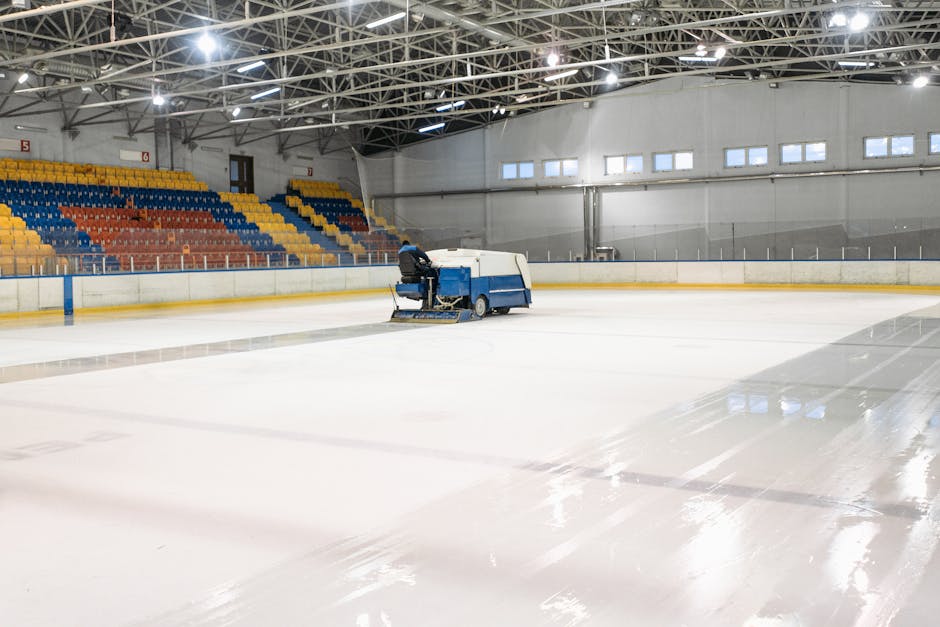
Floor resurfacing isn’t just about repairing damage—it’s a transformative opportunity to elevate your studio space into a sanctuary of function and expression. Whether you’re dealing with cracked concrete, faded finishes, or simply craving a fresh start, resurfacing allows artists to blend practicality with artistry. This guide explores innovative techniques, materials, and strategies tailored to creative professionals who demand both beauty and resilience.
Artists often treat their floors as canvases in disguise, but neglected surfaces can dampen inspiration. From tactile textures to vibrant hues, modern resurfacing solutions empower creators to shape environments that reflect their vision while safeguarding against wear and tear. Let’s dive into the world of floor resurfacing designed for those who live and work creatively.
The Art of Material Selection: Choosing the Right Base for Your Vision
Selecting the right material for resurfacing begins with understanding your artistic needs and environment. Concrete, wood, tile, and even metal substrates each require distinct approaches, and the chosen material will influence everything from texture to longevity. Consider factors like foot traffic volume, moisture expo
Epoxy resin, polyaspartic urethane, and microcement are popular choices among creatives due to their versatility and adaptability. Epoxy offers glossy finishes perfect for showcasing intricate details, while microcement provides a seamless, matte surface ideal for minimalist studios. Each material opens doors to customization, allowing artists to embed pigments, metallic accents, or even 3D reliefs into the finish.
- Epoxy Coatings: Ideal for high-traffic areas, these UV-resistant layers resist stains and chemicals, making them perfect for dance studios or multimedia labs.
- Microcement: A thin-layer system applied over existing flooring, it mimics natural stone or concrete while offering flexibility for curved walls or irregular spaces.
- Polyurethane Systems: Known for rapid curing times, these are excellent for busy studios needing minimal downtime during installation.
Preparing the Canvas: Pre-Resurfacing Rituals for Lasting Results
A successful resurfacing project hinges on meticulous preparation. Begin by thoroughly cleaning the floor to remove dirt, grease, and old adhesives. Scrubbing with trisodium phosphate (TSP) solution ensures a clean slate, while sanding rough patches creates a smooth base for new materials. Skipping this phase risks peeling, bubbling, or uneven coverage later on.
For optimal adhesion, repair cracks or holes with cementitious patching compounds before proceeding. Ensure the substrate is dry and free of contaminants; moisture trapped beneath the new layer can compromise structural integrity. If working with wood, check for warping or rot and address it promptly—a stable foundation is non-negotiable.
Tools of the Trade: Essential Equipment for DIY Enthusiasts
While professional contractors have access to industrial-grade machinery, many artists opt for DIY projects using affordable tools. A diamond grinder or angle sander helps level surfaces, while a paint roller applicator works wonders for applying sealants evenly. Safety gear—including respirators and gloves—is indispensable when handling chemicals or abrasive materials.
Budget-friendly kits now include primers, bonding agents, and decorative additives tailored for creative applications. These allow beginners to experiment with effects like crackle finishes or embedded mica flakes without requiring advanced technical skills. Always follow manufacturer guidelines to avoid costly mistakes.
Designing Beyond Functionality: Infusing Creativity Into Surface Details
Floor resurfacing transcends utility—it becomes an extension of your artistic identity. Incorporate bold colors, geometric patterns, or even abstract motifs that mirror your latest body of work. Some studios use colored aggregates or glass chips to create dynamic, light-refracting surfaces that shift with movement.
Collaborating with muralists or designers can unlock bespoke possibilities. Imagine a mosaic-inspired floor in a pottery studio or a gradient transition between rooms in a shared co-working space. Custom stencils or hand-painted sections add personality, transforming mundane surfaces into immersive experiences.
Environmental Harmony: Sustainable Practices for Eco-Conscious Creators
In an era where sustainability shapes every decision, eco-friendly resurfacing options are gaining traction among artists. Low-VOC (volatile organic compound) epoxies and water-based sealants minimize indoor air pollution, creating healthier environments for long hours of creation. Recycled materials like crushed glass or reclaimed wood shavings can be integrated into mixes for added texture and purpose.
Sourcing local suppliers reduces carbon footprint, and opting for durable systems minimizes future waste from frequent repairs. Some studios repurpose old tiles or linoleum by grinding them into fine powders for custom pigments—an act of circular economy that aligns seamlessly with creative values.
Cost vs. Craftsmanship: Weighing Budget Against Long-Term Value
Investment in quality resurfacing pays dividends over time. While budget-friendly products may seem tempting, cheaper alternatives often degrade faster, leading to repeated costs and disruptions. Premium materials, though pricier upfront, offer superior protection against spills, scratches, and fading—all critical concerns for studios housing delicate equipment or expensive artworks.
Hiring a skilled contractor can add to initial expenses, yet their expertise prevents costly errors. Professionals handle complex tasks like moisture testing, precise leveling, and multi-step finishing processes that amateurs might overlook. Compare quotes carefully, prioritizing experience over price alone.
Timeless Trends: What’s Hot in Contemporary Floor Resurfacing?
Current trends favor textured surfaces that embrace imperfection, such as exposed aggregate finishes or raw concrete patinas aged artificially. Metallic effect paints, which mimic gold leaf or copper tones, are increasingly popular for adding warmth to cool-toned studios. Meanwhile, matte finishes remain preferred for reducing glare in photography or digital workspaces.
Creative professionals are also experimenting with hybrid approaches—combining polished concrete with painted murals or embedding LED lighting beneath translucent layers for dramatic ambient illumination. These innovations reflect a growing desire to merge technology with traditional craftsmanship.
Maintaining Your Masterpiece: Care Tips for Sustained Beauty
To preserve your newly resurfaced floor, establish a regular maintenance routine. Sweep frequently to prevent grit from scratching the surface, and mop with pH-neutral cleaners designed for your specific coating type. Avoid harsh abrasives or steam mops that could strip protective layers over time.
Address spills immediately, especially in areas prone to chemical expo Using felt pads under furniture legs and avoiding dragging heavy objects across the surface will extend lifespan significantly. Annual inspections help catch minor issues early, preventing larger-scale repairs.
From Concept to Completion: Navigating the Installation Timeline
Planning ahead is crucial given the time required for resurfacing projects. Allow several days for thorough cleaning, drying, and setup. Most commercial systems cure fully within 24–72 hours, but full hardness develops over weeks. Schedule installations around your workflow to minimize interruptions—ideally during off-hours or when collaborating with other tenants in shared spaces.
Weather plays a role too; outdoor projects benefit from mild temperatures, whereas indoor work avoids humidity fluctuations that could affect adhesion. Communicate clearly with contractors about deadlines and expectations to ensure alignment on timelines and deliverables.
Conclusion
Floor resurfacing represents more than mere renovation—it’s an investment in your creative ecosystem. By choosing the right materials, embracing sustainable practices, and infusing personal flair, artists can craft spaces that inspire, endure, and evolve alongside their work.
Whether you’re updating a solo studio or revitalizing a collaborative workshop, approach this project with curiosity and precision. Let your floor become a testament to your dedication—not just to your art, but to the environment that nurtures it.